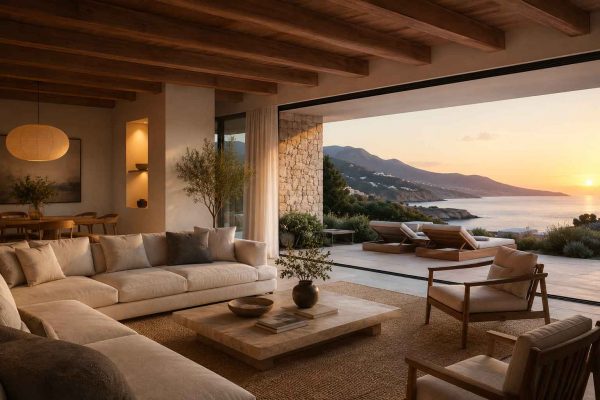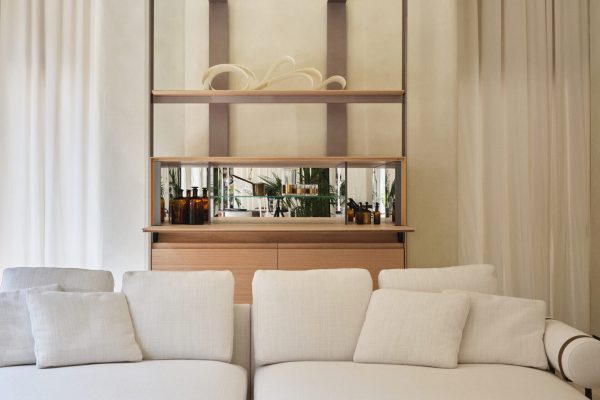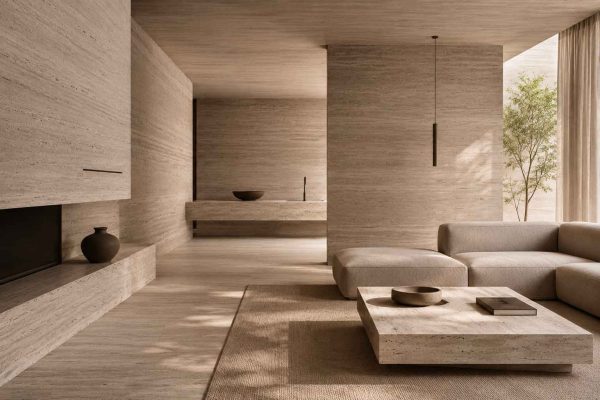
A home does not age simply because time passes. It ages well or poorly depending on the design decisions that have shaped its materials, proportions, light and construction quality. Some homes preserve their balance, functionality and value even after decades; others appear outdated after only a few years, despite being relatively recent.
The difference does not lie in time, but in the quality of the design. It is through the initial decisions that a home’s ability to retain value, identity and desirability over the long term is established.
Property value remains stable—and in many cases increases—when the project is based on a coherent vision focused on durability rather than short-lived trends.
Thoughtful design creates interiors that preserve harmony, functionality and perceptual quality over time, transforming the home into an asset intended to endure.
What It Means for a Home to “Age Well”
A home that ages well continues to feel relevant even as tastes and trends change. Its spaces remain balanced, its materials acquire character and the quality of the design continues to be perceived over time.
In architecture, “ageing well” means preserving aesthetic quality, functionality and value over time, while reducing the need for corrective work or replacements caused by design obsolescence.
Time itself is not what causes a home to deteriorate: more often, it is the result of poor decisions made at the beginning.
Inconsistent proportions, low-durability materials, neglected lighting and the absence of a clear design vision are among the main causes of interiors ageing prematurely.
Materials That Improve Over Time
Material selection is one of the most decisive factors in the quality of a project designed to last.
Some materials do more than simply withstand the passing years: they evolve, gain depth and express the passage of time through a natural transformation.
Solid wood, natural stone, metals such as brass and copper, natural fabrics and authentic surfaces develop a patina that enhances their perceptual value without compromising their quality.
By contrast, materials chosen solely for their immediate visual effect tend to lose character quickly, negatively affecting the overall perception of the interior.
The durability of a material depends not only on its technical resistance, but also on its ability to remain contemporary many years later.
Light and Proportions: Elements That Never Go Out of Style
Natural light and well-balanced proportions are two elements that no design trend can replace.
A balanced distribution of light makes interiors more welcoming, improves everyday comfort and enhances materials and surfaces.
Proportions are equally important: overly fragmented spaces, narrow circulation areas or visually overloaded rooms tend to lose their perceptual quality more quickly.
When light, volumes and spatial layout work together, the architecture retains its expressive strength even many years later.
The Mistakes That Make a Home Age Quickly
Homes that lose value more rapidly often share the same design mistakes:
- the use of low-durability materials or materials selected solely to follow a trend;
- lighting conceived as a purely technical element rather than as an integral part of the architecture;
- excessive decoration and stylistic languages that are likely to become dated quickly;
- the absence of a coherent overall design vision;
- furnishings selected without a meaningful relationship to the proportions and functions of the space.
Rather than isolated mistakes, these are signs of a project developed without an overarching design direction.
The Value of Design
The element that truly determines a home’s ability to retain value over time is not a single material or the prestige of its furnishings, but the quality of the design that brings them together.
A well-developed project anticipates the evolution of living needs, coordinating materials, light, functions and maintenance to create a coherent whole capable of enduring over the years without losing balance.
This is precisely what distinguishes professional design consultancy from the simple selection of products.
Conclusion
A home that ages well is never the result of chance.
It is the outcome of a project centred on quality, proportions, light, authentic materials and a vision designed to endure.
Over time, trends change, styles evolve and the needs of those who inhabit a space are transformed. A high-quality project, however, remains relevant because it is built on principles that do not merely follow trends, but interpret the way people live.
SAG’80 supports this process through a design approach focused on durability, coherence and long-term value, transforming every home into an asset intended to mature rather than simply age.
FAQ
What does it mean for a home to age well?
A home ages well when it preserves its aesthetic quality, functionality, comfort and value over time through sound design decisions and durable materials.
Which materials retain their value best over time?
Solid wood, natural stone, authentic metals and natural fabrics are among the materials that evolve positively over the years without losing their perceptual quality.
Why does design influence the value of a property?
Because it coordinates materials, light, proportions and functions coherently, improving both the living experience and the property’s perceived value over the long term.