A luxury second home is not a “secondary” place. It is an asset, a space dedicated to wellbeing and an investment intended to retain its value over the years.
Whether it is a coastal residence, a mountain retreat, a country home or an urban pied-à-terre, a second home requires a different design approach from a primary residence. Intermittent use, changing requirements and the need to minimise maintenance make careful, forward-thinking design essential.
Designing it with care means ensuring durability, comfort and long-term value.
Design partners such as SAG’80 approach this process by integrating material quality, spatial functionality and a design vision capable of enhancing the property over time.
Why a Second Home Requires a Specific Design Approach
A second home should feel welcoming from the moment you enter, be easy to manage and adapt to needs that change throughout the year.
Simply replicating the style of the primary residence is not enough.
The design must consider maintenance, material resistance, spatial flexibility and the specific characteristics of the surrounding context.
Each location presents different conditions: exposure to salt air, significant temperature changes, high humidity or seasonal use all directly influence the choice of materials, finishes and construction solutions.
The objective is to create interiors that preserve both their aesthetic quality and functionality even after long periods of disuse.
Durable Materials and Maintenance
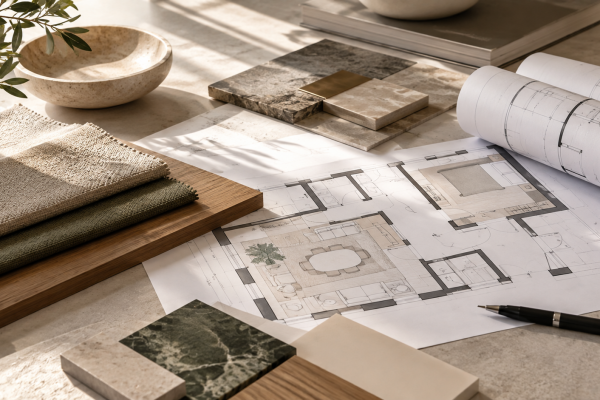
Material selection is one of the most strategic aspects of designing a second home.
Easy-care surfaces, high-performance fabrics, natural stone and appropriately treated wood help reduce maintenance requirements without compromising aesthetic quality.
Durability depends not only on a material’s resistance, but also on its ability to preserve performance, comfort and perceptual quality over time despite climatic variations and intermittent use.
SAG’80 selects materials that combine aesthetic value, technical reliability and the ability to evolve gracefully while preserving the original character of the project.
Flexibility for Family and Guests
A second home accommodates a wide variety of situations: short stays, extended holidays, guests, remote working or simply time dedicated to relaxation.
Flexibility therefore becomes a key design principle.
Modular solutions, versatile furniture and easily reconfigurable spaces allow the home to adapt without losing quality or coherence.
Designing for flexibility means anticipating today the needs that may change tomorrow, increasing the property’s ability to maintain functionality and value over time.
Comfort, Atmosphere and Identity
Comfort is one of the elements that truly defines the value of a second home.
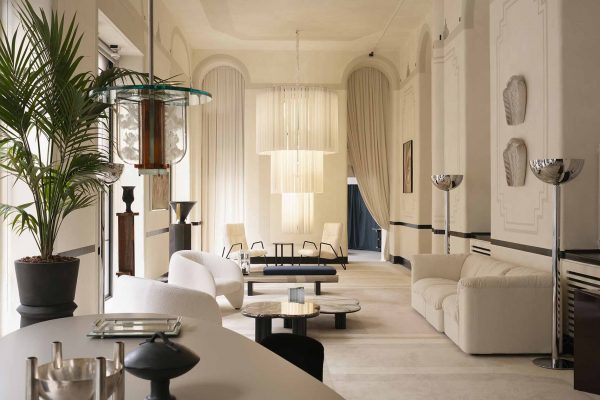
Lighting, materials, colour palettes, acoustics and the relationship with natural light create a living experience capable of conveying wellbeing from the moment one enters.
Every project should respond to the place in which it is located. The context is not simply a backdrop, but a design element that helps define the identity, atmosphere and quality of the interiors.
SAG’80 interprets each setting by avoiding standardised solutions and favouring a contemporary design language capable of maintaining balance over time.
Design as a Property Investment
A carefully designed second home is more likely to preserve its value over time.
Material quality, coherent spatial planning and precise execution contribute both to everyday comfort and to the property’s competitiveness on the market.
A well-developed project can also make future updates easier, increase the property’s appeal in the event of sale or rental, and reduce extraordinary maintenance costs over time.
Investing in design therefore means investing in the preservation of the asset.
Conclusion
Designing a luxury second home means creating a space intended to preserve quality, comfort and value even when it is used only during certain periods of the year.
The quality of a project is not measured only by its initial appearance, but by its ability to remain functional, welcoming and coherent over time. Durable materials, flexible spaces and thoughtful design allow the property to evolve without losing its identity.
Design partners such as SAG’80 guide this process by bringing together design culture, material selection and technical expertise, transforming a second home into an asset capable of generating value, wellbeing and living quality season after season.
FAQ
How should a luxury second home be designed?
The design should consider material durability, ease of maintenance, spatial flexibility, comfort and the specific characteristics of the property’s location.
Which materials are best suited to a second home?
Natural stone, treated wood, high-resistance surfaces, technical fabrics and finishes designed to perform reliably even with intermittent use.
Why does a second home require a different design approach from a primary residence?
Because it is used differently throughout the year and must provide comfort, efficiency and ease of management even after long periods of inactivity.
How can interior design increase the value of a second home?
A coherent design, durable materials and a functional layout help preserve the property’s value while improving its living quality and market appeal.