Many of the problems that become apparent in a home only a few months after completion are not caused by the quality of the furniture or finishes, but by design decisions made too early—or not made at all. Poor lighting planning, inconsistent material choices, lack of continuity between spaces, or the absence of an overall design vision can compromise both the functionality and long-term value of an interior.
A well-developed interior design project is not simply about creating beautiful spaces. It is about preventing costly mistakes while improving comfort, functionality, and the overall quality of everyday living.
Lighting Planned Too Late
Lighting is one of the most powerful tools in interior design, yet it is often treated as an afterthought. The result is frequently flat, uninspiring spaces that lack atmosphere and fail to highlight the architecture.
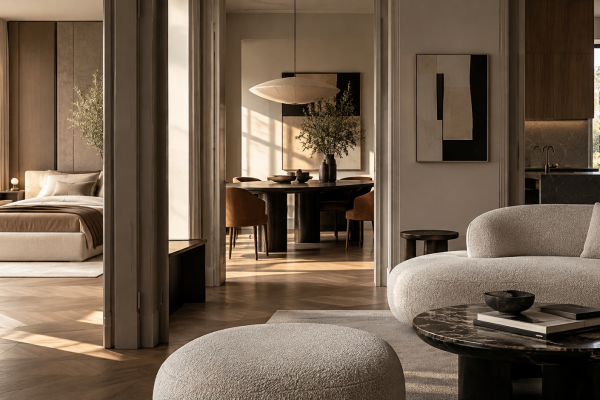
A successful lighting design combines technical lighting, decorative fixtures, and layered, adjustable lighting scenarios. Light should do more than illuminate—it should shape the experience of the space.
Many lighting corrections are requested only after construction has been completed. At that stage, relocating fixtures, modifying electrical systems, or redesigning lighting scenes often requires additional costs and compromises that could have been avoided through proper planning from the outset.
Using Too Many Materials
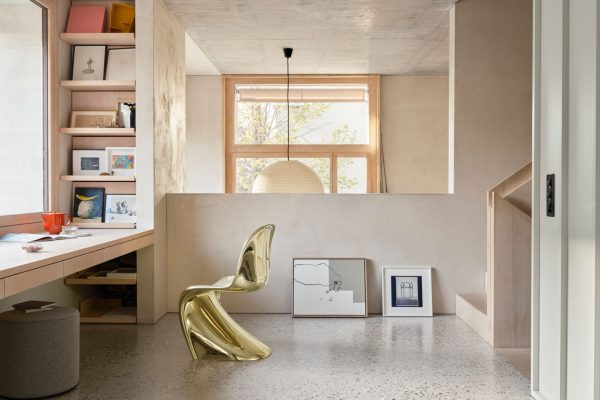
An excessive variety of finishes is another common design mistake. Combining too many materials creates visual noise and reduces the overall perception of quality.
The most successful interiors are built around material consistency: a carefully selected palette of finishes, repeated thoughtfully throughout the project. This principle lies at the heart of contemporary interior design and the quiet luxury aesthetic.
Perceived quality rarely increases with the number of materials used. More often, elegance comes from restraint—the ability to select fewer materials and use them consistently to create spaces that feel timeless, harmonious, and sophisticated.
Lack of Design Cohesion
Cohesion is what separates a professionally designed interior from one that has simply been furnished.
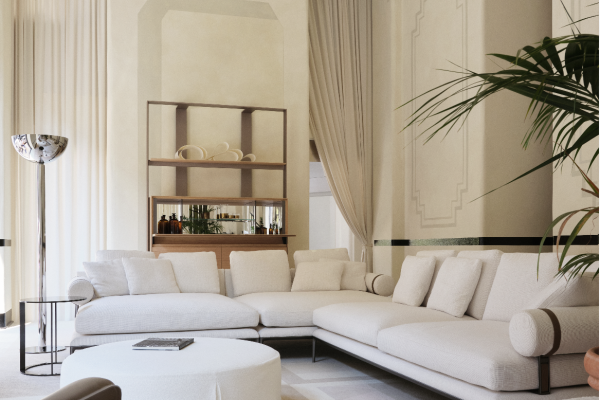
Without a clear visual language—whether defined through colour, materials, proportions, or style—each room risks feeling disconnected from the rest of the home. Cohesion does not mean uniformity; it means creating continuity throughout the entire living experience.
When a project lacks creative direction, each individual room may function well on its own, yet the home as a whole fails to communicate a unified identity.
No Overall Design Vision
Many design mistakes originate from focusing on individual elements rather than considering the project as a complete system.
Furniture, finishes, lighting, technology, proportions, and circulation all influence one another. Interior design requires orchestration, where every decision contributes to a coherent whole rather than existing independently.
This integrated design approach is at the core of SAG’80’s philosophy, supporting clients and professionals in creating interiors that are functional, coherent, and designed to stand the test of time.
How to Avoid These Mistakes
Avoiding these common pitfalls starts with adopting a more strategic design approach:
- Start with the design, not the furniture.
- Develop a clear and consistent material palette.
- Plan the lighting from the very beginning.
- Maintain an overall vision throughout the project.
- Work with professionals who can coordinate every element into one cohesive design.
The difference between a space that is simply furnished and one that has been truly designed often becomes apparent only over time. For this reason, investing in professional interior design is one of the most effective ways to minimise costly revisions, optimise resources, and achieve a higher-quality result.
Through its showrooms and design consultancy services, SAG’80 guides clients through every stage of the process—from the initial concept and material selection to furniture specification, lighting design, and final execution.
Conclusion
Avoiding common interior design mistakes means embracing a holistic approach in which every decision contributes to a larger vision. Materials, lighting, furniture, and proportions should never be considered as separate components, but as parts of a single design language.
When this vision is clear, interiors become more coherent, functional, and distinctive.
Every design mistake avoided delivers benefits that extend far beyond aesthetics. It improves daily living, reduces future corrective interventions, and increases the long-term value and perceived quality of the space.
Working with experienced professionals is the most effective way to transform an interior into a complete and meaningful design project. With its expertise and integrated design consultancy, SAG’80 helps clients combine aesthetics, functionality, and design culture while avoiding common pitfalls and enhancing every detail.
Because outstanding interiors are never accidental—they are the result of thoughtful, deliberate, and carefully considered decisions.
FAQ
What are the most common interior design mistakes?
The most common mistakes include poor lighting planning, using too many different materials, creating spaces without visual cohesion, and lacking an overall design strategy.
Why is it important to plan lighting from the beginning?
Lighting influences functionality, atmosphere, and the perception of space. Designing it early helps avoid expensive modifications and unnecessary compromises later in the project.
How many materials should be used in an interior design project?
There is no fixed number, but the most successful interiors typically rely on a limited, carefully curated material palette to achieve harmony, consistency, and a higher perceived quality.
How can you avoid mistakes in an interior design project?
By adopting an integrated design approach that coordinates materials, lighting, furniture, functionality, and proportions within a single, coherent design vision.