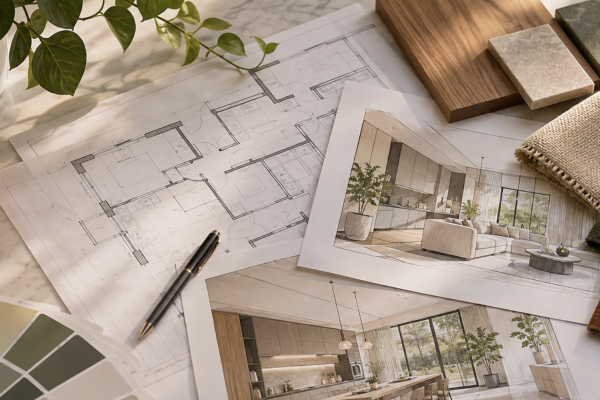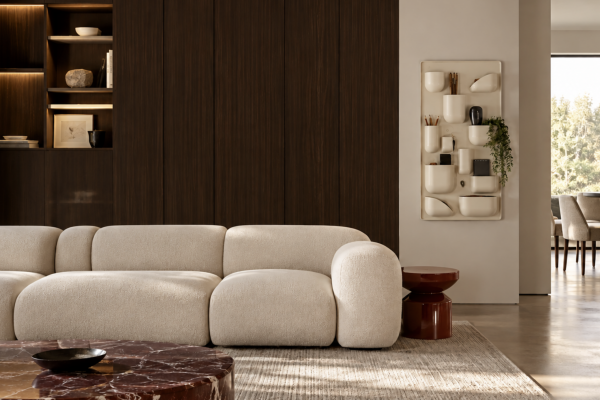
When browsing a design magazine or scrolling through an online gallery, it is not unusual to recognise the same room in different homes: a sofa with soft, rounded forms, pale surfaces and a few carefully spaced objects. These are choices that can work well in many interiors. The similarity becomes more evident when the entire combination is reproduced, even in homes with very different proportions, lighting conditions and ways of living.
Where the Standardisation of Interiors Comes From
A photograph, a rendering, a catalogue page or an AI-generated image can all help express a preference. When the reference becomes a model to reproduce, however, there is a tendency to select all the elements that make it recognisable at once: the palette, finishes, furniture shapes and the way they are arranged.
Seeing the same combination repeatedly makes it feel familiar and therefore easier to imagine in one’s own home. A catalogue can have the same effect: it presents products that work well together within a carefully designed composition. The actual design process begins when we ask which elements of that composition are truly appropriate for the room in front of us.
What Changes When Moving from Image to Space
A photograph shows a room from a specific viewpoint and under specific lighting conditions. The people who live there, however, move through the space, observe it at different times of day and use it for activities that may remain outside the frame.
A deep sofa, for example, may have the right proportions in a large living room. In a narrower space, the same model may reduce the circulation area between the entrance and the rest of the home. To understand whether a solution truly works, it is necessary to consider what happens around the furniture as well: how people move, where the light comes from and which activities need to coexist within the room.
How to Use a Reference Image in a Design Project
The first step is to understand what caught our attention.
In a photograph of a living room, we may be drawn to the wall colour, or perhaps to the sense of calm created by a limited number of materials repeated throughout the room. In the second case, a similar effect can be achieved using different colours and finishes, for example by echoing the wood of an existing bookcase in just one other element.
The same applies to furniture layouts. If the way two seats encourage conversation is appealing, that relationship can be recreated using shapes and dimensions suited to the specific living room.
Bringing a selection of images to the first meeting with the designer and explaining what is appealing about each one helps translate these preferences into concrete design decisions.
What Makes a Home Recognisable
A home’s identity is built through decisions that have a precise reason behind them. A low window may suggest a bespoke bench. A family dining table may determine the position of the pendant light and the distance from the surrounding furniture. The habit of reading in the evening may influence the choice of an armchair and its lighting even before fabrics are discussed.
Even a neutral palette can give an interior character. Natural light, the texture of fabrics, the way a finish reflects light and the presence of objects that have been kept over time can produce very different results from a limited range of colours.
What Role Does an Iconic Piece of Furniture Play?
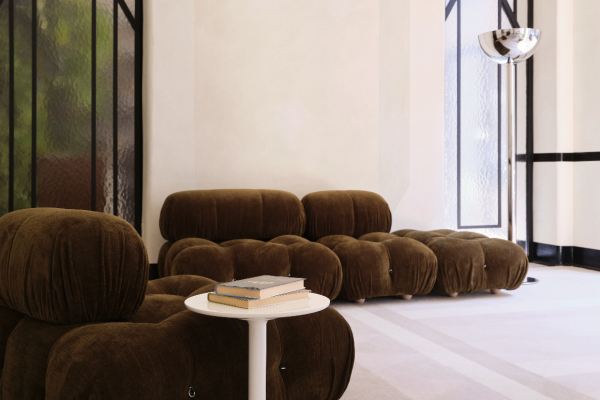
An iconic piece of furniture brings with it a recognisable form and a history.
In a living room, a design armchair can complete a seating arrangement, create a reading corner by a window or establish a dialogue with an existing table. If it is selected together with the lamp, rug and accessories with which it often appears in photographs, however, the result may recall that composition more strongly than the home in which it is placed.
No object, however prestigious or refined, can guarantee the uniqueness of an interior on its own.
Conclusion
A good starting point is to observe what the home already offers: the light at a particular time of day, the proportions of a room, or an object that deserves to remain.
Within SAG’80’s design process for private clients, these observations help determine which references are worth developing and how to select furnishings and materials that are appropriate for both the home and the people who live in it.
FAQ
Why do so many contemporary homes look the same?
The similarity becomes more pronounced when palettes, materials, furnishings and layouts are all taken from the same reference images. Different homes can therefore end up looking alike even when their light, proportions and ways of use are very different.
How should inspiration images be used in an interior design project?
It is useful to identify what is appealing in each image, such as a particular material combination or the way seating is arranged. The designer can then assess how that idea can be adapted to the specific conditions of the home.
Can a home with neutral colours still have character?
Yes. Light, variation in surfaces, furniture proportions and personal objects can all give identity to an interior even when the colour palette is relatively restrained.