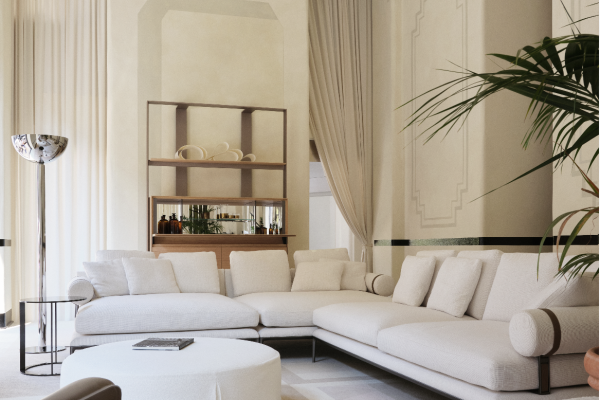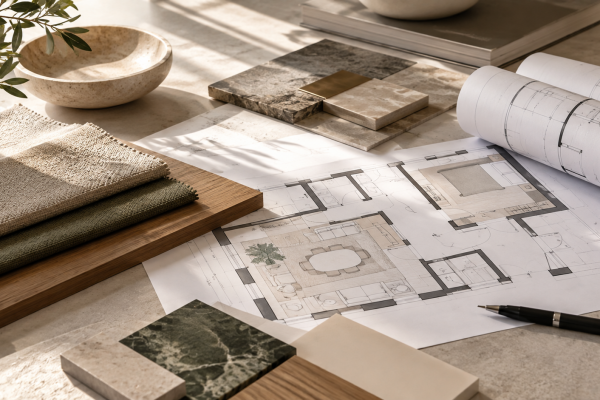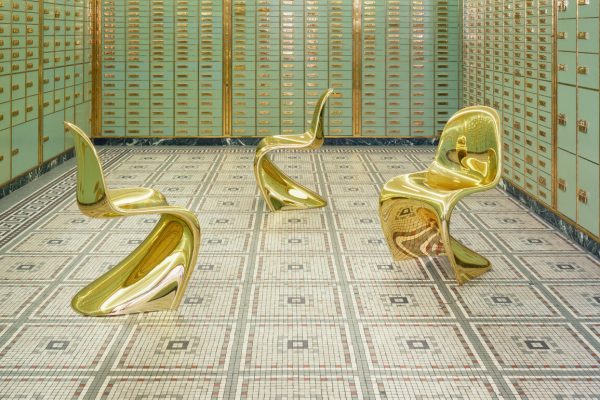
Uno spazio ben progettato non si interrompe. Scorre.
1. Cos’è la continuità visiva
La continuità visiva è uno dei principi più rilevanti del design contemporaneo: non riguarda solo l’estetica, ma la capacità di costruire ambienti coerenti, fluidi e leggibili.La continuità visiva negli interni si definisce come un approccio progettuale in cui materiali, superfici e volumi sono coordinati per creare uno spazio continuo, privo di interruzioni percettive.
In un progetto d’interni, la continuità si manifesta attraverso scelte materiche, cromatiche e volumetriche che dialogano tra loro senza interruzioni. È un approccio che supera la semplice armonia stilistica: punta a creare un sistema spaziale in cui ogni elemento, dall’architettura all’arredo, partecipa alla stessa narrazione.
In questa prospettiva, realtà specializzate nella consulenza progettuale come SAG’80 utilizzano la continuità visiva come strumento per amplificare la percezione dello spazio e migliorare la qualità dell’esperienza abitativa.
2. Materiali come sistema
Nel design contemporaneo i materiali non sono più elementi isolati, ma componenti di un sistema coerente. La continuità visiva nasce proprio da questa logica: superfici, finiture e texture devono dialogare tra loro, mantenendo un equilibrio tra identità e discrezione.
Legni naturali, pietre tecniche, resine e metalli satinati diventano strumenti per costruire un linguaggio unitario.
Il materiale non è una scelta decorativa, ma una componente strutturale del progetto.
La scelta non riguarda solo il colore o la texture, ma la capacità del materiale di attraversare più funzioni: pavimenti che proseguono sulle pareti, boiserie che integrano porte a filo, piani cucina che si estendono in elementi contenitivi.
SAG’80 lavora con una selezione di materiali e superfici pensati per dialogare con l’architettura, garantendo continuità tra ambienti e funzioni senza rinunciare alla qualità sensoriale.
3. Superfici e percezione dello spazio
Le superfici sono il primo elemento che l’occhio percepisce e, per questo, determinano la lettura dello spazio. La continuità visiva permette di ampliare la percezione degli ambienti, eliminando frammentazioni e creando linee di fuga più pulite.
Superfici omogenee, colori coerenti e finiture materiche calibrate contribuiscono a:
- rendere gli ambienti più ampi e luminosi
- semplificare la geometria dello spazio
- guidare lo sguardo verso elementi architettonici chiave
- creare un ritmo visivo uniforme
SAG’80 sviluppa soluzioni che integrano superfici verticali e orizzontali in un unico gesto progettuale, valorizzando la continuità come strumento di comfort visivo.
4. Integrazione tra architettura e arredo
La continuità visiva non si limita alle superfici: coinvolge anche l’arredo. L’integrazione tra architettura e mobili su misura permette di eliminare discontinuità e creare ambienti più fluidi.Quando arredo e architettura coincidono, lo spazio diventa un sistema unico e leggibile.
Armadiature complanari, cucine integrate, sistemi giorno modulari e porte a scomparsa diventano parte dell’architettura, non elementi aggiunti.
Questo approccio permette di:
- nascondere le funzioni tecniche
- ottimizzare gli spazi
- mantenere coerenza materica e cromatica
- valorizzare la pulizia formale
SAG’80 lavora in sinergia con progettisti e brand per garantire un’integrazione totale, in cui ogni elemento è parte di un unico progetto.
5. Errori comuni
Nonostante la sua apparente semplicità, la continuità visiva richiede precisione. Gli errori più frequenti includono:
- uso eccessivo di materiali diversi
- cambi di finitura non necessari
- arredi che interrompono le linee architettoniche
- scarsa coerenza tra superfici verticali e orizzontali
- illuminazione non integrata nel progetto
Evitare questi errori significa garantire un risultato elegante, funzionale e duraturo.
Conclusione
La continuità visiva non è un effetto estetico, ma una scelta progettuale consapevole. È ciò che permette allo spazio di essere percepito come coerente, essenziale e fluido.
In un interno ben progettato, nulla interrompe la lettura: ogni elemento contribuisce a costruire un’esperienza abitativa naturale, equilibrata e duratura.
FAQ
Cos’è la continuità visiva negli interni?
È un approccio progettuale che coordina materiali, superfici e volumi per creare spazi coerenti e privi di interruzioni percettive.
Come si ottiene la continuità visiva?
Attraverso l’uso coerente di materiali, colori, superfici e arredi integrati, evitando cambi bruschi e discontinuità.
Perché è importante nel design contemporaneo?
Perché migliora la percezione dello spazio, aumenta la qualità visiva e rende gli ambienti più armonici e funzionali.