Material has returned to the forefront. Not as a finish, but as a language.
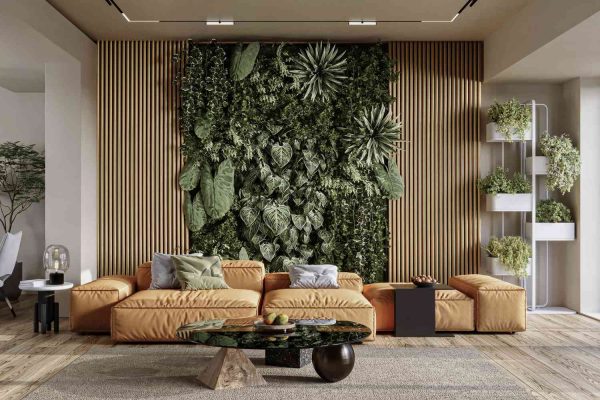
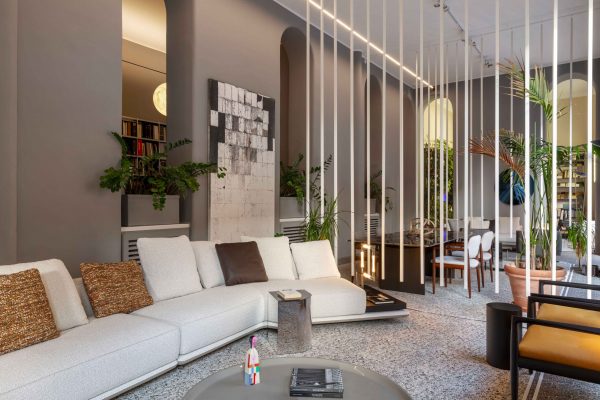
In contemporary design, there is a clear shift back towards authentic materials. Natural stone, solid wood and textured surfaces are redefining the way we perceive and experience spaces, bringing tactile sensations, visual depth and a more honest aesthetic back to the center.
After years dominated by artificial materials and standardized surfaces, the choice of natural elements now represents a new design paradigm: more conscious, more emotional and more enduring.
Within this context, specialized consultancies in materials and surfaces such as SAG’80 interpret this evolution by selecting high-quality solutions that enhance material in its most authentic form.
1. The Return of Authentic Materials
The rediscovery of materiality stems from the desire to create environments that convey well-being and authenticity. Stone, wood and natural surfaces respond to this need through their ability to evoke immediate and deep sensory experiences.
The return of materiality in contemporary design can be defined as a renewed focus on authentic materials, natural surfaces and textures capable of building sensory and architectural value.
This is not just about aesthetics: natural materials introduce a more harmonious visual rhythm and a stronger connection with the surrounding environment. This search for authenticity is also evident in projects curated by specialized professionals, where material selection becomes a cultural act as well as an aesthetic one.
2. Textured Surfaces and Spatial Perception
Texture and depth are now central elements in interior design. Material surfaces — wood grain, the irregularity of stone, tactile finishes — enhance spatial perception, making it more dynamic and multisensory.
Light interacts with these surfaces naturally, creating plays of shadow and reflection that enrich the environment.
In design consultancy contexts such as SAG’80, surface selection is guided by careful evaluation of both visual and tactile performance, ensuring results that are consistent with the overall identity of the project.
3. Natural Stone as an Architectural Element
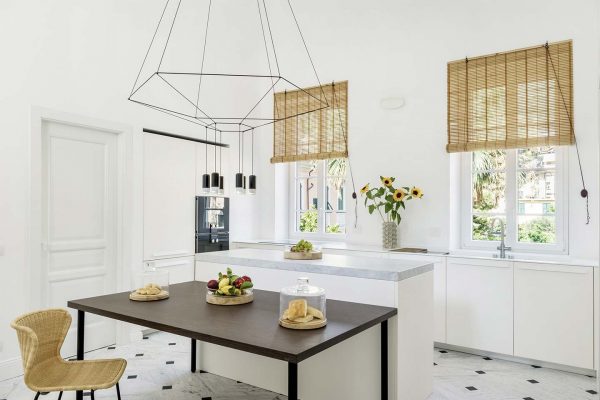
Natural stone has returned as a key architectural material. Used for flooring, cladding and monolithic volumes, it allows for material continuity and strong visual impact.
In contemporary design, stone is no longer just a surface finish: it becomes a grammar of space, capable of defining visual weight, depth and architectural continuity.
Each slab is unique, with unrepeatable veining and tonal variations that give identity to the space. Selecting stone requires both technical expertise and aesthetic sensitivity — qualities that SAG’80 offers through curated collections and targeted consultancy.
4. Wood and Materials That Age Gracefully
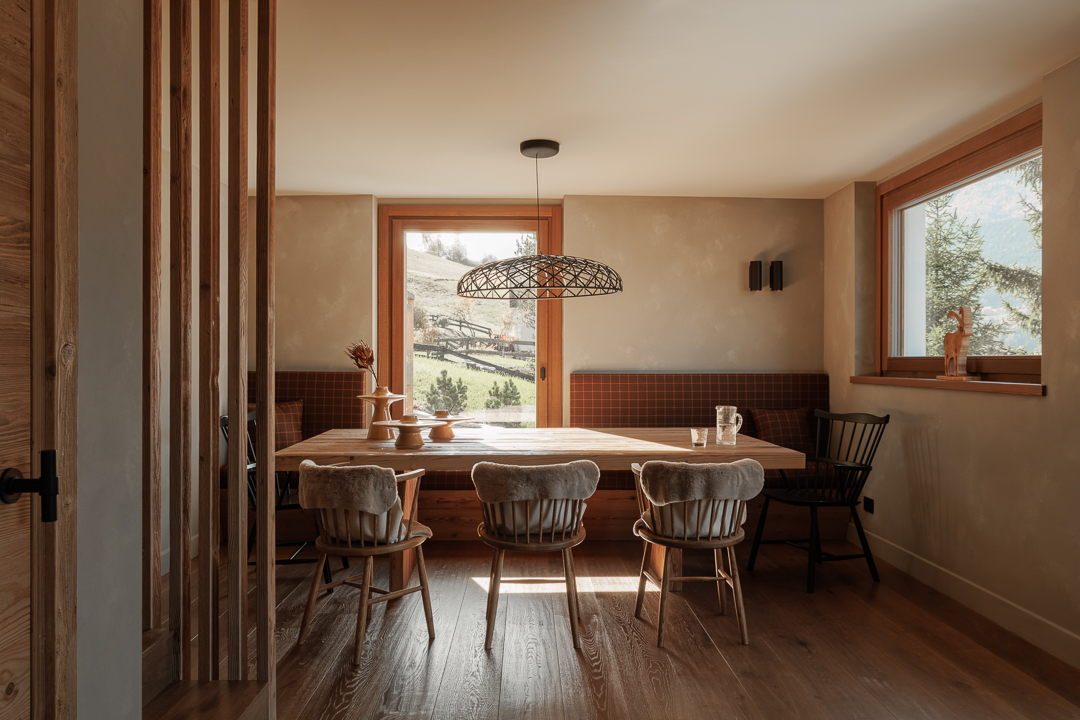
Wood is the material that most clearly tells the story of time. Its patina, far from being a flaw, becomes added value — a sign of authenticity, life and transformation.
Other materials such as brass, leather and certain wood essences are also appreciated for their ability to age well, introducing a narrative dimension into interiors that evolves without losing quality.
The choice of finishes and essences requires careful attention: tones, grain and treatments significantly influence the final atmosphere.
5. How to Choose Materials for a High-Value Interior
Material selection is a crucial step in interior design. It is not only about aesthetics, but about balancing functionality, durability and stylistic coherence.
For this reason, design consultancy plays a fundamental role: evaluating technical characteristics, anticipating the final effect within the space and guiding clients towards informed choices.
In this process, SAG’80 represents a key design partner, thanks to its expertise in material selection, deep knowledge of surfaces and ability to develop tailored solutions.
Material choices directly impact the perceived value of a space: they define visual quality, sensory depth and the ability to endure over time without losing identity.
Material selection thus becomes a conscious design act, capable of shaping authentic, harmonious and timeless environments.
The return of materiality is not a nostalgic reference to the past, but an evolved response to the need for authenticity in contemporary living. Stone, wood and natural surfaces bring back what truly makes a space memorable: substance, depth and longevity.
Designing with material means moving beyond immediate visual impact and creating interiors capable of maintaining aesthetic, sensory and cultural value over time.
FAQ
What does the return of materiality in contemporary design mean?
It refers to a renewed focus on authentic materials and natural surfaces, chosen for their sensory quality, durability and ability to create architectural value.
Why are stone and wood so important in contemporary interiors?
Because they introduce visual depth, tactile quality and a more authentic perception of space, improving the relationship between aesthetics and livability.
How do you choose the right materials for a high-value interior?
By evaluating design coherence, visual performance, durability, interaction with light and the ability of materials to maintain quality over time.