In the contemporary design landscape, memory is no longer a nostalgic reference, but a living material through which new languages are constructed. After years dominated by rarefied minimalism and hyper-rational surfaces, interior design is once again questioning the value of atmosphere, the density of forms, and the ability of spaces to evoke stories.
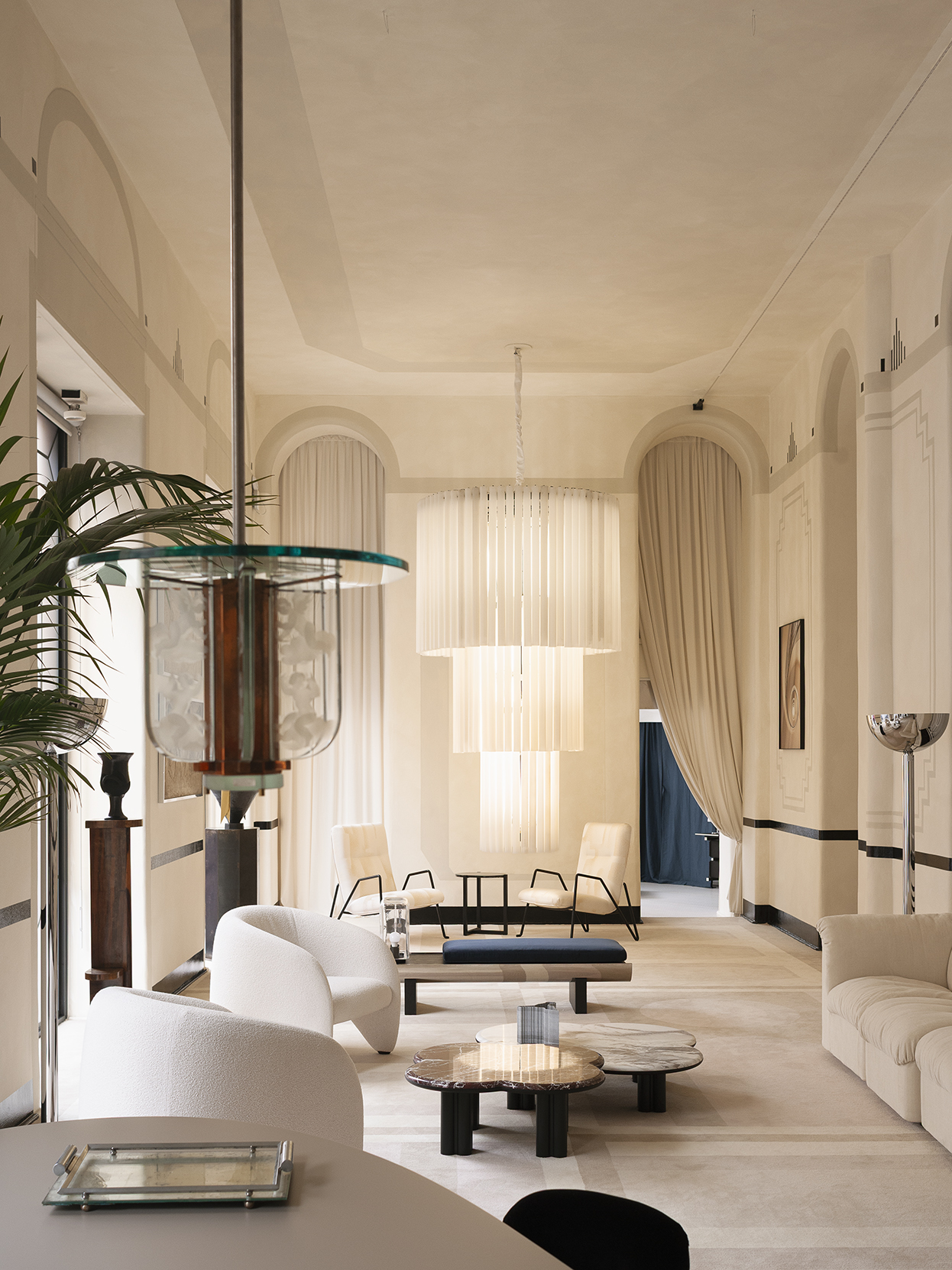
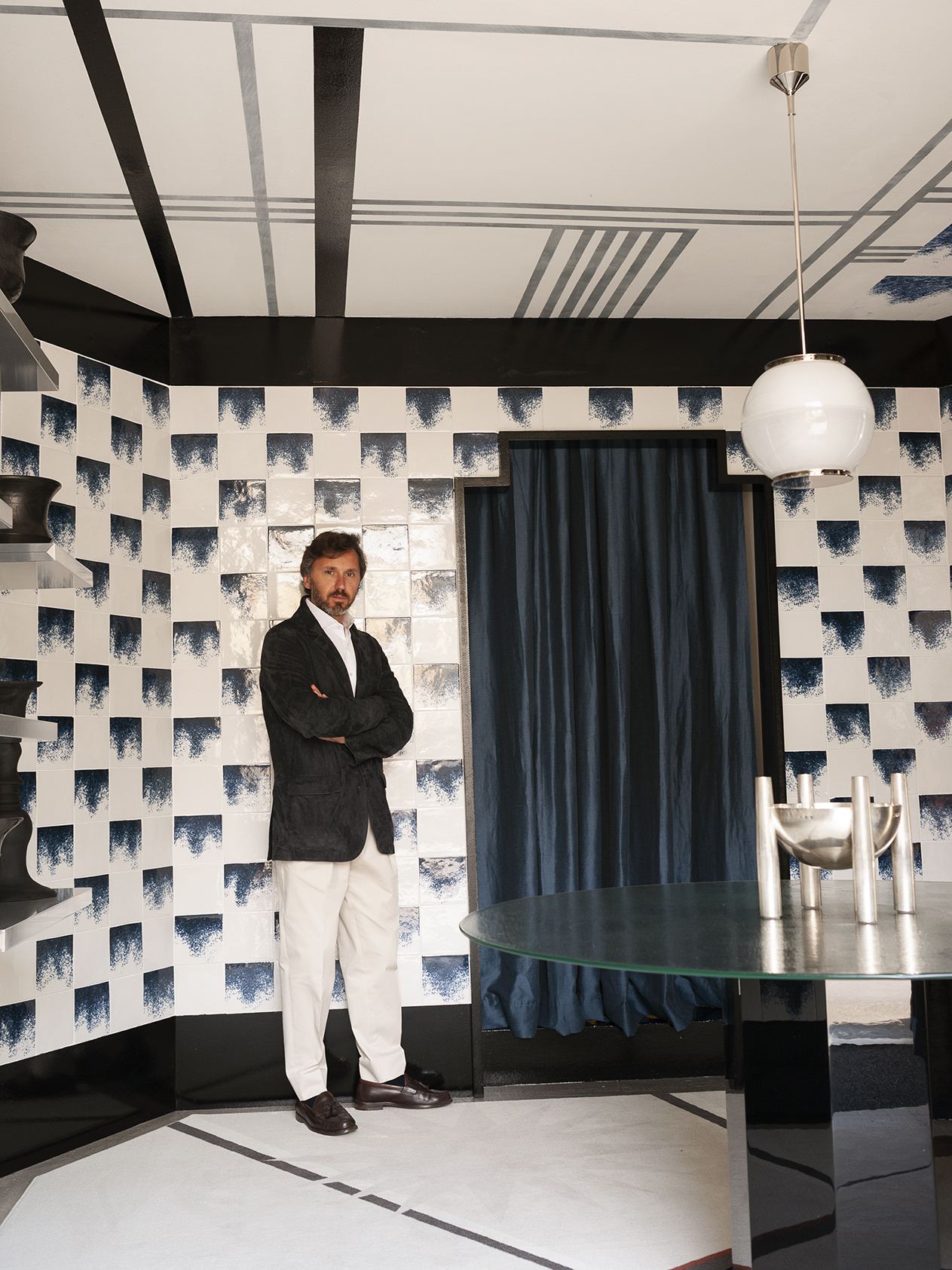
It is within this context that Soft Nostalgia was conceived — the project designed by Giuliano Andrea dell’Uva for SAG’80 and presented during Milan Design Week 2026 within the showroom spaces at Via Boccaccio 4.
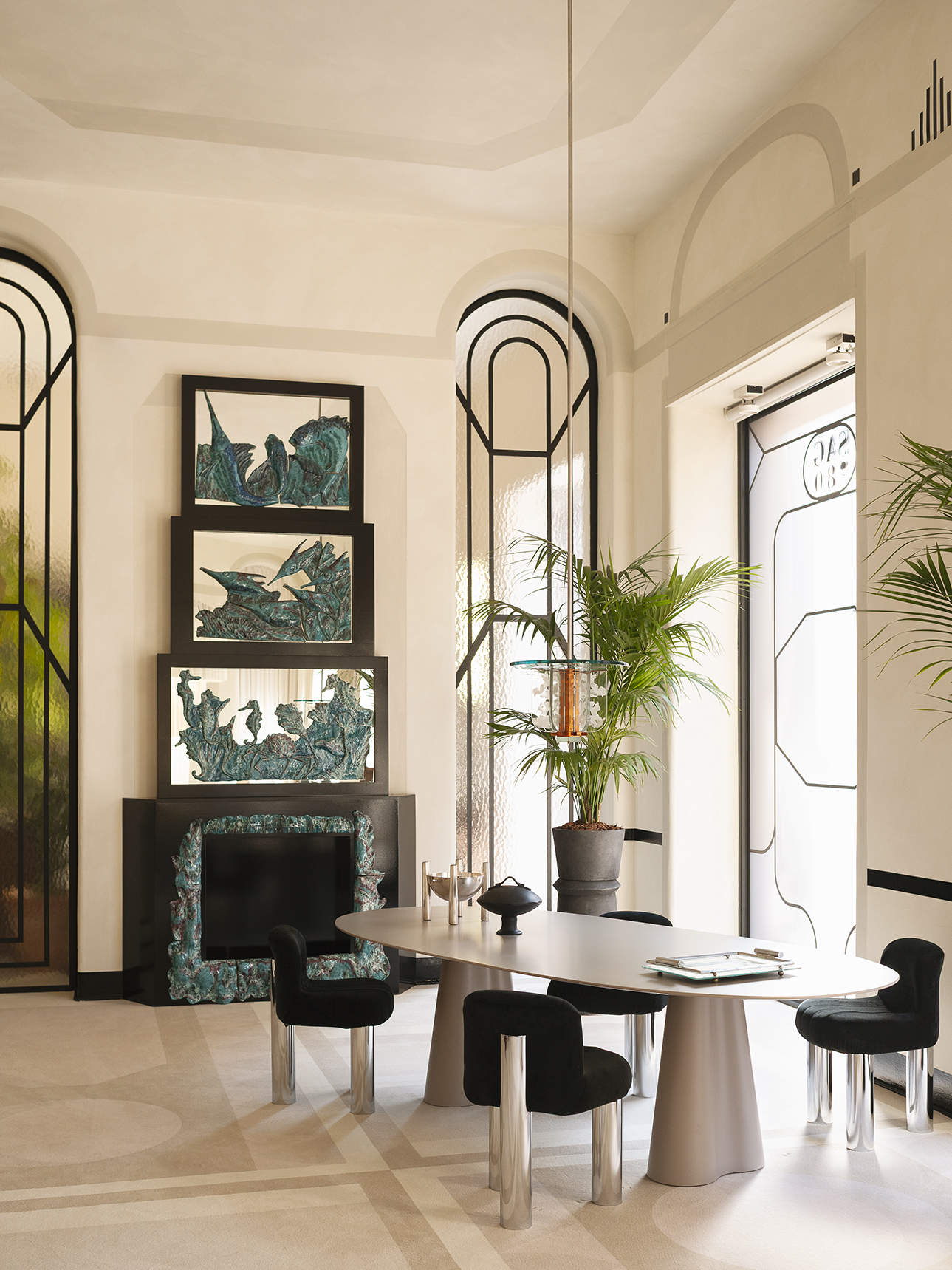
Soft Nostalgia explores the relationship between historical memory and contemporary design languages through an approach that reinterprets the aesthetics of the 1930s and 1970s through a contemporary lens.
The project establishes a dialogue between memory and contemporaneity, transforming materiality, light, and architecture into narrative tools capable of redefining the spatial experience.
Soft Nostalgia as a Contemporary Design Language
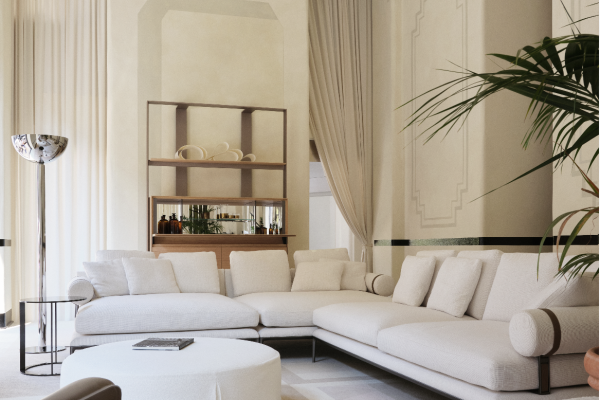
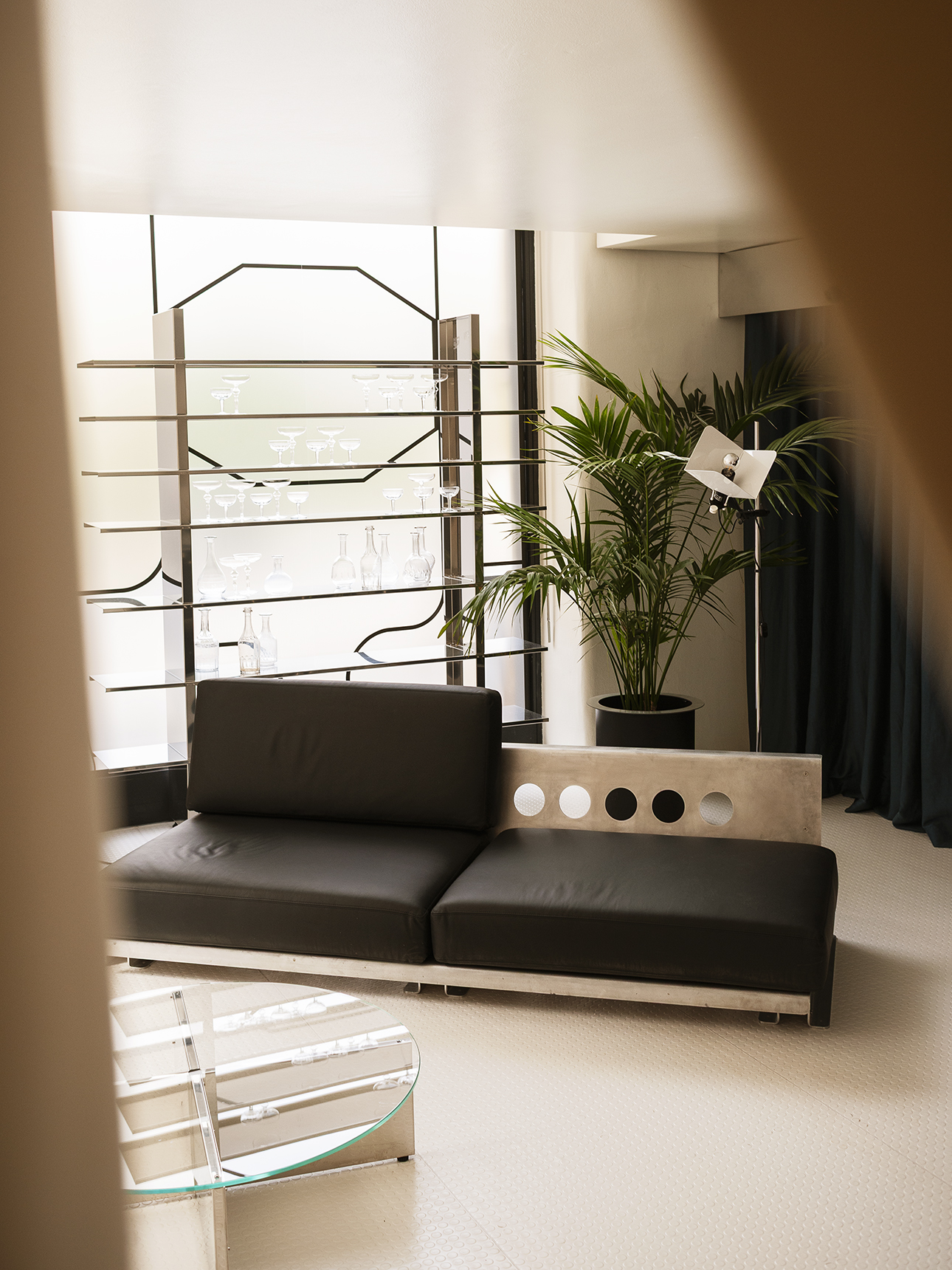
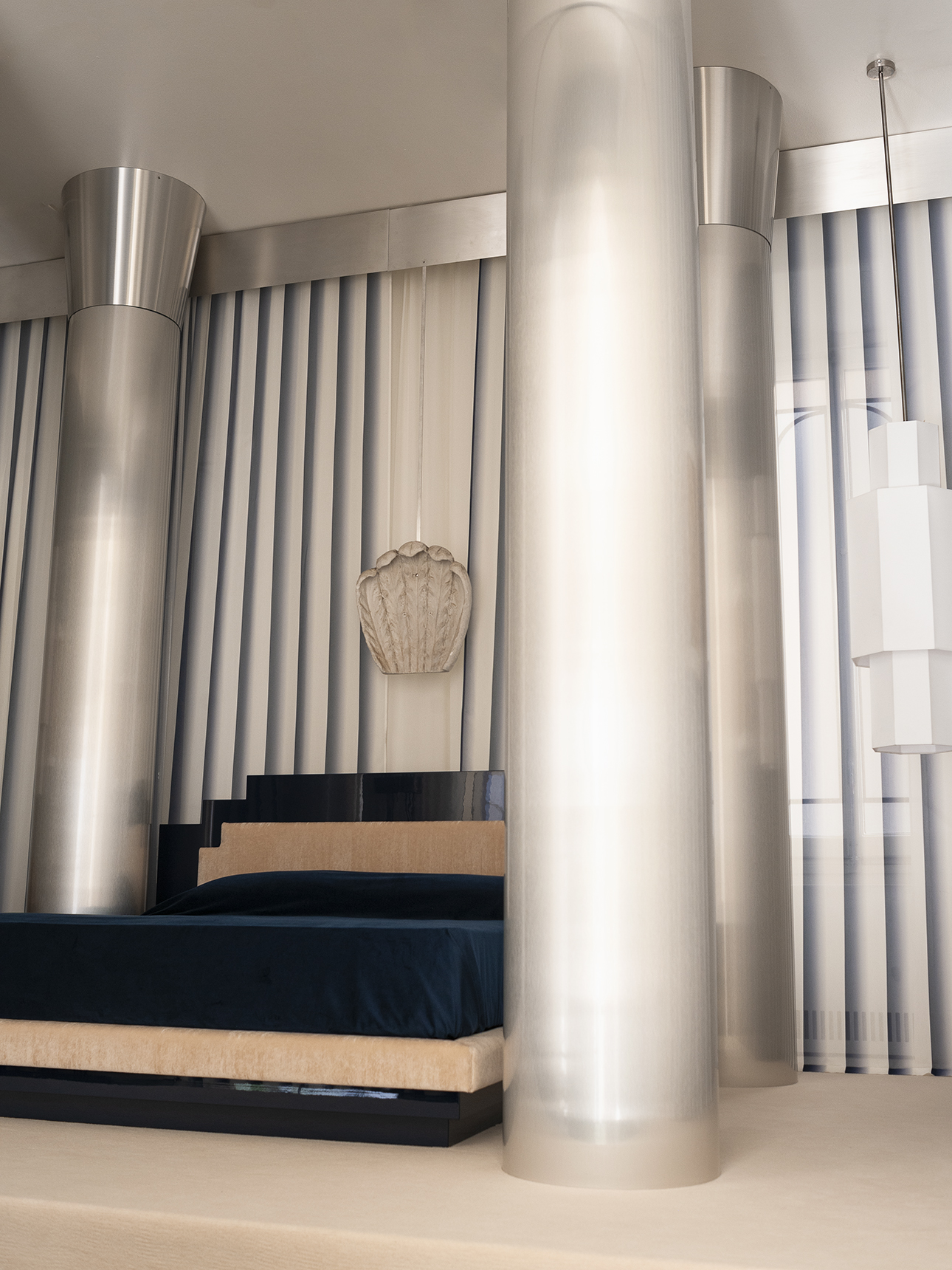
The installation unfolds across 200 square meters divided into three environments — bar, lounge, and bedroom — each conceived as an autonomous chapter within a single narrative.
The spatial sequence guides visitors through different atmospheres, alternating intimacy, theatricality, and perceptual suspension.
The result is a language that does not imitate the past, but translates it: Déco curves become soft lines that embrace light, 1970s chromatic references evolve into sophisticated palettes, and historical geometries are lightened into contemporary patterns.
The past is not replicated, but reinterpreted as a design material capable of generating new aesthetic balances.
Materiality, Light, and Scenography in Contemporary Interiors
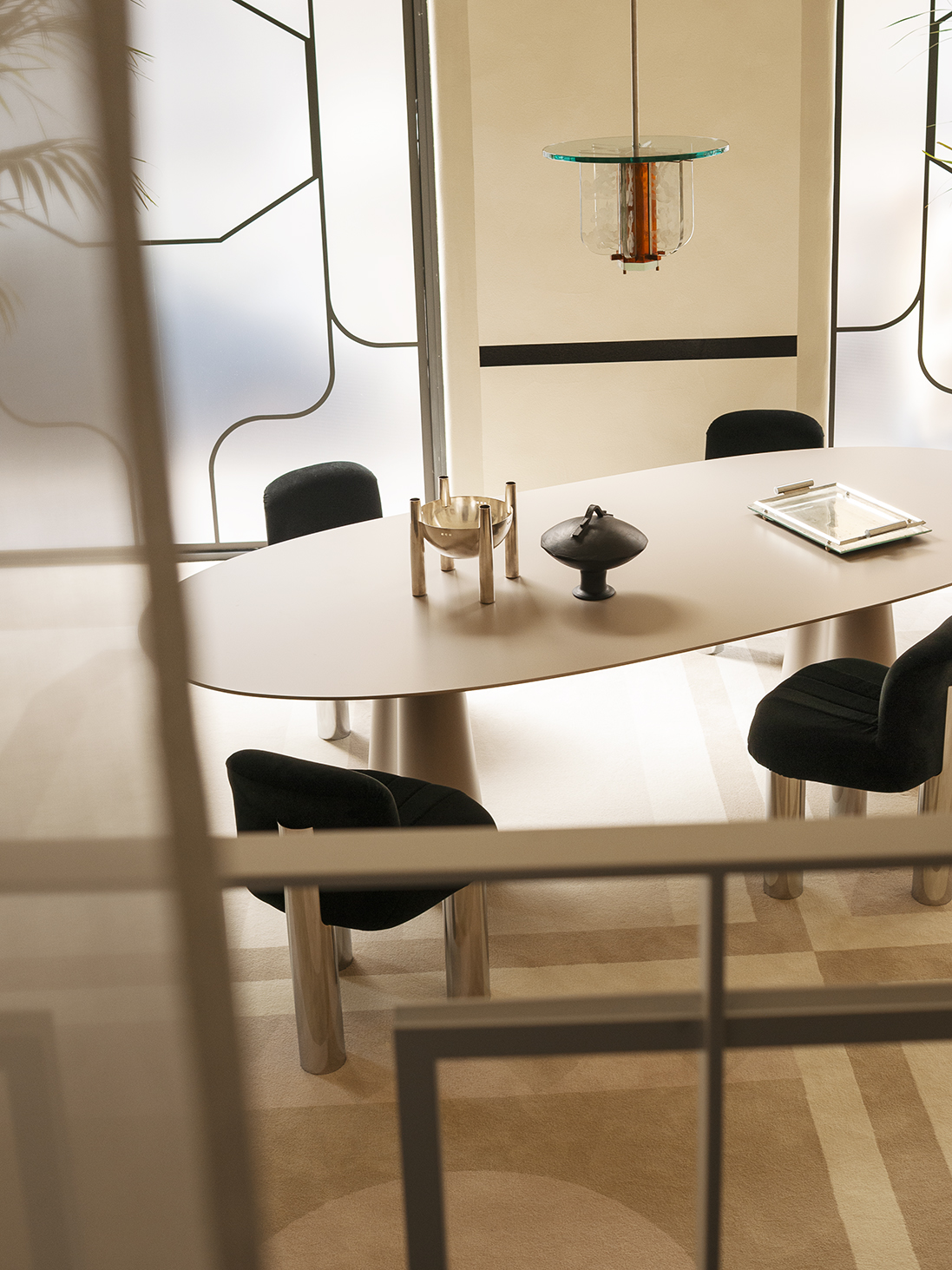
Soft Nostalgia is a project built around perception. Surfaces interact with light through a carefully calibrated balance: satin-finished metals, deep woods, tactile textiles, and glossy finishes create a sensory landscape that invites proximity.
Lighting — oscillating between precise accents and washes of diffused illumination — defines the scenography of the interiors, transforming each space into a narrative microcosm.
The furnishings selected by SAG’80 — ranging from Cassina to Minotti, from Porro to Arflex — are not isolated protagonists, but elements within a coherent system. Their geometries, often soft and enveloping, contribute to a sense of visual continuity that amplifies the quality of the experience.
The Return of Atmosphere in Contemporary Interiors
Soft Nostalgia captures an increasingly evident direction within contemporary design: the gradual departure from cold, abstract minimalist languages in favor of interiors that are more layered, sensory, and narrative-driven.
Contemporary interiors no longer seek absence, but presence: of light, of materiality, of memory.
It is a return to warmer, more sophisticated, and emotionally resonant spaces — interiors designed not only to be observed, but to be lived.
This new design sensitivity enhances the sensory dimension through:
- surfaces that invite touch
- colors that influence mood
- lighting that creates intimacy
- materials that generate perceptual depth
Atmosphere thus returns as a structural component of design, rather than a purely decorative effect.
SAG’80 and Contemporary Design Research
With Soft Nostalgia, SAG’80 confirms an approach rooted in design research and in the construction of contemporary languages capable of engaging with memory, architecture, and interior design.
The collaboration with Giuliano Andrea dell’Uva highlights a design sensitivity that goes beyond the simple selection of furniture and materials, instead focusing on the creation of coherent atmospheres and recognizable spatial identities.
The project demonstrates how contemporary design can still function as a cultural tool capable of interpreting the present through layering, depth, and perceptual quality.
Conclusion
Soft Nostalgia stands as an emblematic example of how contemporary design can engage with the past without replicating it, transforming memory into a genuine design material.
More than a stylistic exercise, the project becomes a reflection on the role of atmosphere, perception, and the emotional construction of space within contemporary living.
At a moment when design often risks being reduced to fast imagery and easily replicable language, Soft Nostalgia brings back into focus the depth of interiors, the sensory quality of materials, and the evocative power of architecture.
FAQ
What is Soft Nostalgia in contemporary design?
Soft Nostalgia is a design approach that reinterprets historical languages and atmospheres of the past through contemporary materials, lighting, and architecture.
How are the 1930s and 1970s reinterpreted in contemporary interiors?
Through soft geometries, tactile materials, sophisticated palettes, and a renewed focus on atmosphere and the sensory quality of space.
Why has atmosphere become central again in interior design?
Because contemporary design is increasingly moving toward more emotional, sensory, and narrative spaces capable of enhancing the living experience.