Today, the home must do more than function. It must make us feel well.
In recent years, the concept of well-being has expanded beyond the physical dimension, embracing a broader idea of balance between body, mind and environment. Within this context, wellness design has emerged—an approach that transforms the home into a space capable of supporting everyday quality of life.
Domestic wellness design can be defined as a design approach that integrates light, materials, acoustics and environmental comfort to enhance daily living quality.
It is not about recreating home spas or dedicated relaxation areas, but about rethinking interior architecture so that every space contributes to psychophysical comfort.
From this perspective, design consultancies such as SAG’80 interpret domestic wellness as a natural evolution of contemporary design, where authentic materials, light and proportions become tangible tools for well-being.
Natural Light and Circadian Rhythms
Light is the primary element of well-being. Numerous studies show how exposure to natural light influences circadian rhythms, sleep quality and even productivity. In wellness design, lighting is not a technical detail, but a true tool for balance.
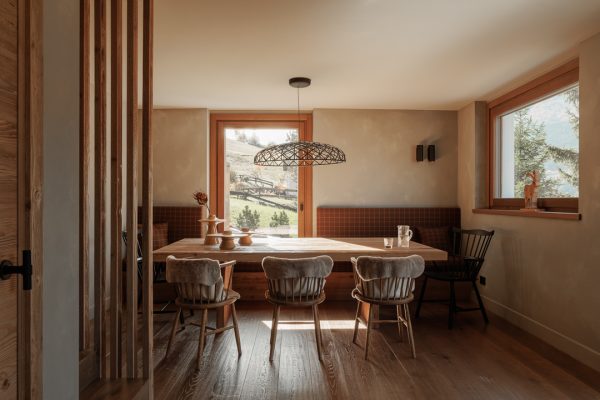
Large openings, reflective surfaces, filtering curtains and adjustable lighting systems allow you to modulate light intensity throughout the day. The goal is to create environments that follow the natural rhythm of light—more energizing in the morning, softer and warmer in the evening.
A home designed in this way not only feels more welcoming, but also supports a constant and intuitive sense of well-being.
Natural Materials and Living Comfort
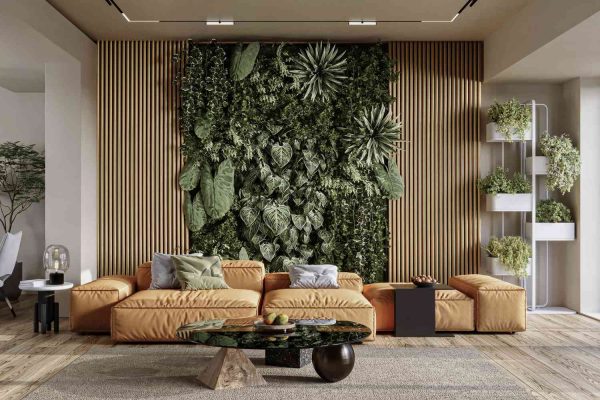
Contact with authentic materials is another pillar of domestic wellness. Wood, stone, natural textiles and textured surfaces help create a balanced sensory atmosphere, capable of conveying calm and stability.
Contemporary design favors tactile textures, soft finishes and color palettes inspired by nature. These elements are not purely aesthetic—they improve spatial perception, reduce visual stress and enhance a more harmonious living experience.
SAG’80 selects materials that combine technical quality with sensory value, recognizing that well-being also stems from the physical relationship with what surrounds us.
Acoustics and Environmental Quality
Sound is often overlooked, yet it is fundamental to comfort. An acoustically balanced environment reduces mental fatigue, improves concentration and makes the home a truly restorative space.
Well-being depends not only on what we see, but also on what does not disturb us: background noise, excessive reverberation and spaces that fail to protect silence.
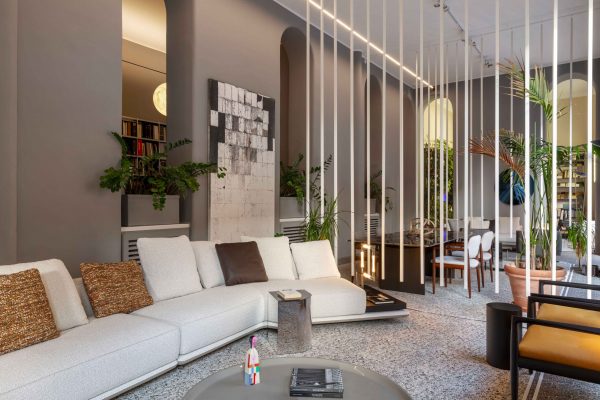
Sound-absorbing panels, rugs, heavy curtains and upholstered furniture help control noise propagation. Spatial layout also plays a role: more open and fluid living areas, protected and quiet sleeping zones.
Wellness design considers acoustics as an integral part of the project, alongside light and materials.
The Architecture of Well-Being in Domestic Design
The contemporary home is no longer just a functional space, but an ecosystem that supports everyday life. The architecture of well-being integrates aesthetics, technology and design sensitivity to create environments that foster balance, focus and serenity.
For SAG’80, domestic wellness is a design process that begins with understanding people and translates into interiors that improve quality of life through coherent choices of materials, light and environmental comfort.
A home designed for well-being is not a luxury, but a conscious choice—an investment in everyday life.
Designing for well-being means moving beyond the idea of the home as a simple functional container and recognizing its active role in quality of life. Wellness design does not add comfort superficially: it builds it through balance, attention and design coherence.
It is in this ability to translate invisible needs into tangible spatial quality that interior design becomes truly meaningful.
FAQ
What is domestic wellness design?
It is a design approach that integrates light, materials, acoustics and environmental comfort to improve everyday living quality within the home.
Does wellness design mean creating a spa at home?
No. It is not about adding decorative relaxation features, but about designing spaces that structurally support psychophysical balance.
What elements improve well-being in interiors?
Natural light, authentic materials, good acoustic comfort, balanced proportions and a coherent spatial design are the key factors.