Light is not only meant to illuminate. It is meant to build space.
In contemporary architecture, light is no longer just a technical support, but a true design material. It defines space, shapes volumes, guides perception and creates atmosphere.
In this context, specialized design consultancies such as SAG’80 consider architectural lighting one of the most effective tools for enhancing materials, furnishings and the overall quality of space.
Architectural lighting can be defined as a design approach in which light is integrated into the space to shape its perception, function and atmosphere.
Designing light means thinking about interiors not only in functional terms, but as everyday scenographies where light accompanies gestures, supports well-being and expresses the identity of the home.
Light as an architectural element
Integrating light into a project means considering it from the very early stages—not as a final addition, but as a structural part of the architecture.
Architectural lighting operates on three levels:
• functional, to ensure visibility and comfort
• scenographic, to create atmosphere
• perceptual, to guide the eye and define spatial hierarchies
In this sense, light becomes a language: it can visually expand a space, highlight a material detail, create continuity between different areas or, conversely, separate them with subtlety.
Direct, indirect and diffuse lighting
Effective lighting design is based on a balanced combination of different types of light:
• Direct light
Perfect for specific tasks or to highlight architectural elements and furnishings. It is sharp and precise.
• Indirect light
Reflected on walls or ceilings, it creates a soft and enveloping illumination. It reduces shadows and enhances visual comfort.
• Diffuse light
Uniform and discreet, it forms the base layer of lighting and contributes to the overall perception of the space.
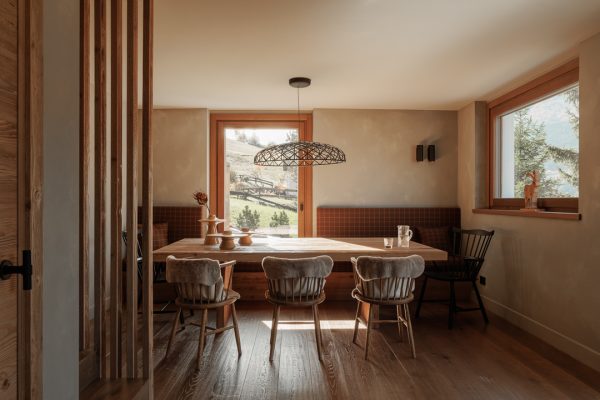
The key is balance: a well-designed interior alternates intensity, color temperature and light direction to achieve a harmonious and natural result.
Light and spatial perception
Light has the power to transform how spaces are perceived. It can:
• visually extend a corridor
• emphasize ceiling height
• make a living area more intimate
• lighten heavy volumes
Through chiaroscuro effects, light beams and targeted accents, architectural lighting shapes space like a material: it sculpts, defines and suggests.
Lighting integrated into architecture
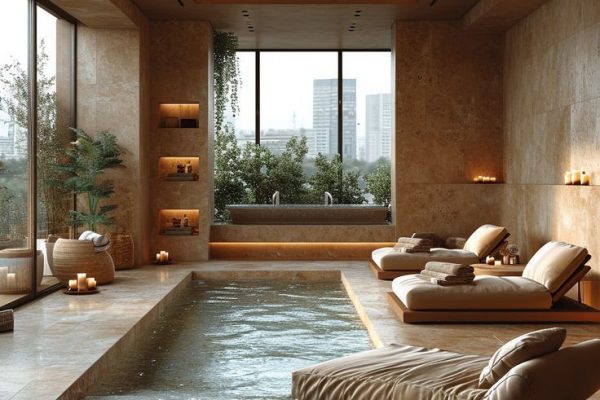
One of the most relevant trends is the integration of light into the very structure of the home. Light cuts, recessed profiles, concealed LED systems and hidden solutions create a clean and contemporary result.
In contemporary design, invisible light is one of the most refined expressions of luxury: it removes the object and leaves only the effect.
These solutions:
• eliminate the visual impact of fixtures
• enhance surfaces and materials
• create continuity between walls, ceilings and furnishings
• allow dynamic control of light
For SAG’80, integrated lighting represents a design approach in which light, materials and architecture interact in a coherent and sophisticated way.
Common mistakes in lighting design
Even the most refined interiors can lose quality if lighting is not properly designed. Among the most common mistakes:
• relying on a single central light source
• choosing inconsistent color temperatures
• over-lighting or under-lighting
• not considering materials and reflective surfaces
• using technical lighting not aligned with the design concept
Good lighting requires coherence, sensitivity and a holistic vision of the space.
Conclusion
Designing light means designing the way we live in space. In contemporary interior design, architectural lighting is not a technical detail, but an element that defines atmosphere, proportions and identity.
In this process, SAG’80 supports designers and clients in developing integrated lighting solutions that interact with materials, volumes and functions.
A well-designed home is not only beautiful: it is a space where light actively contributes to the quality of everyday living.
FAQ
What is architectural lighting?
It is a design approach in which light is integrated into space to define its function, perception and atmosphere.
What is the difference between direct and indirect light?
Direct light illuminates a specific area precisely, while indirect light is reflected on surfaces and creates a softer, more diffused effect.
Why is light important in interiors?
Because it influences spatial perception, visual comfort and atmosphere, making it a fundamental element in design.