The Meaning of Silent Luxury in Contemporary Living
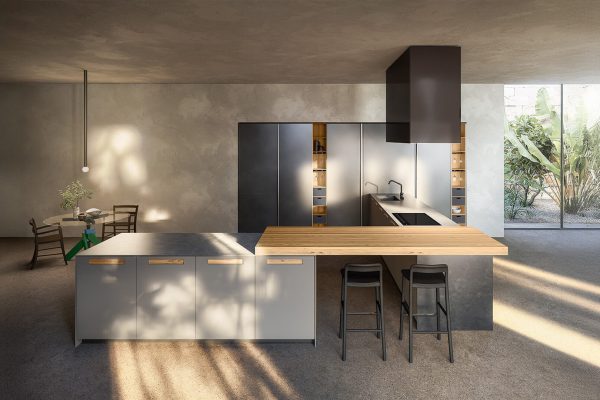
Quiet luxury is not a style, but a design attitude. In contemporary interiors, it represents a conscious response to visual excess, fleeting trends, and loud aesthetics. It is a form of luxury that does not seek attention, yet earns it through correct proportions, authentic materials, and deep design coherence.
SAG’80 — a benchmark for high-end interior design in the Milan area — interprets this approach through a curated selection of furnishings and solutions that embody discreet, timeless elegance. In this article, we explore what quiet luxury truly means in contemporary living and why it is now considered one of the highest expressions of interior design.
What Is Quiet Luxury in Interiors
Quiet luxury distinguishes itself from both minimalism and traditional luxury.
It is not minimalism, because it does not pursue extreme reduction as an aesthetic goal.
It is not decorative luxury, because it rejects ostentation, glossy surfaces, and elements designed to impress.
It is based on four key principles:
● design quality as the central element
● coherence between materials, volumes, and functions
● conscious subtraction as a cultural choice
● harmonious proportions and calibrated details
In essence, quiet luxury communicates value without declaring it.
Materials and Surfaces in Quiet Luxury
n silent luxury, value is perceived before it is seen.
The choice of materials is therefore decisive.
Recurring characteristics:
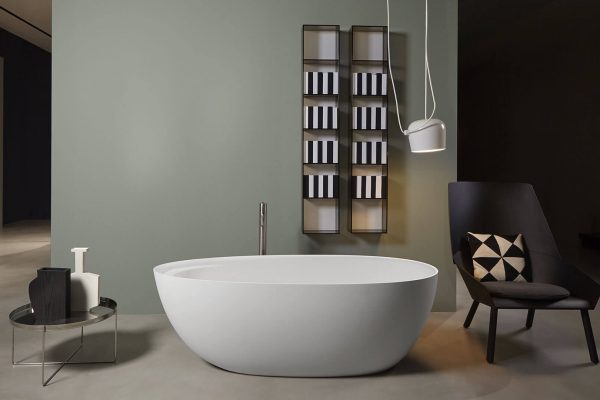
● natural materials and matte finishes
● surfaces that improve over time
● tactility as part of the spatial experience
● rejection of “luxury-effect” or imitative materials
Selecting materials consistent with this language requires expertise and in-depth knowledge of collections and their long-term performance. In this context, specialized firms such as SAG’80 operate as design partners, supporting architects and clients in choosing authentic, durable surfaces.
Proportions, Voids, and Visual Rhythm
Quiet luxury originates from the control of proportions.
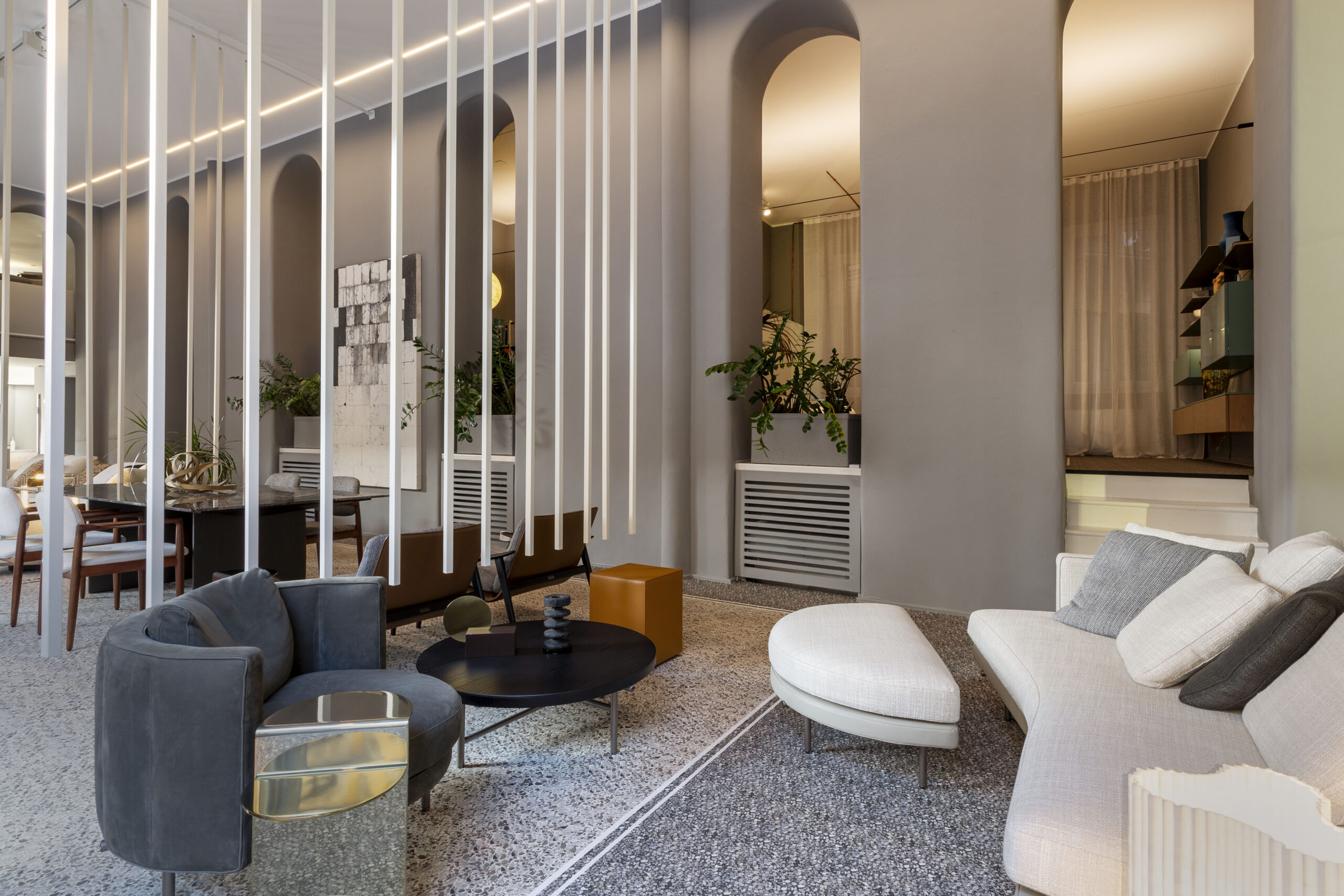
Solids and voids, alignments, and visual rhythm determine the quality of a space far more than any iconic object. Emptiness is not absence, but a design material.
Visual silence is an intentional choice.
A coherent project in this direction requires an overarching vision in which furnishings, materials, and volumes interact without competition. In this scenario, the involvement of an experienced partner helps maintain balance and consistency throughout the entire process.
The Role of Light in Silent Luxury
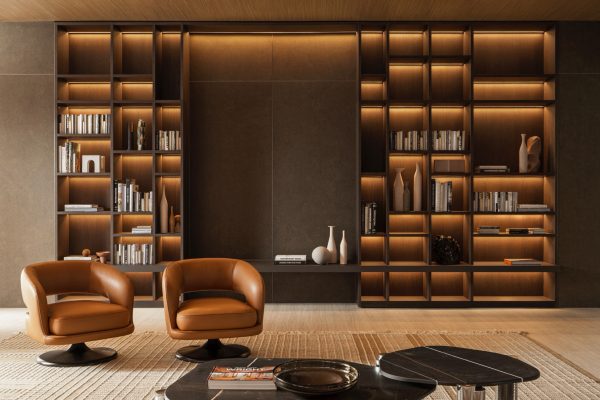
Light is one of the most powerful tools of discreet luxury.
Key elements:
● integrated architectural lighting
● layered lighting schemes
● shadows as part of the design
● chromatic coherence and controlled intensity
Excessive or purely decorative lighting compromises the perception of balance. For this reason, lighting design must be integrated from the earliest project phases, coordinating materials, volumes, and light sources.
Quiet Luxury and Timeless Design
Quiet luxury is closely connected to the concept of longevity.
It does not follow trends, but prioritizes design languages capable of retaining value over time.
This approach translates into:
● choices oriented toward continuity
● materials that evolve with use
● proportions that do not age
● rejection of immediate effect
Within this perspective, the role of firms such as SAG’80 is to facilitate coherent and lasting choices, selecting solutions that prioritize quality and reliability over passing trends.