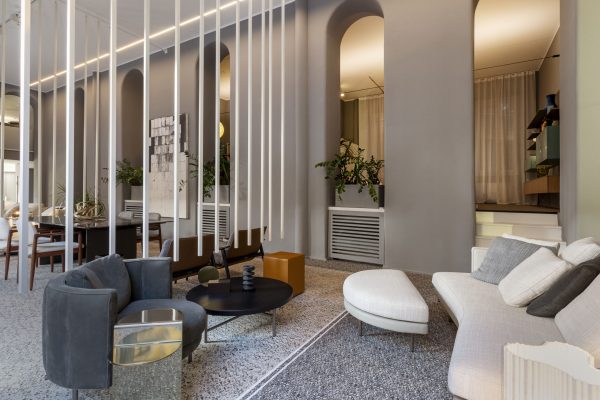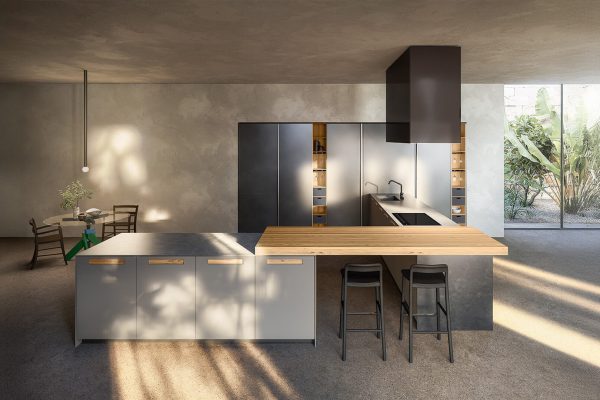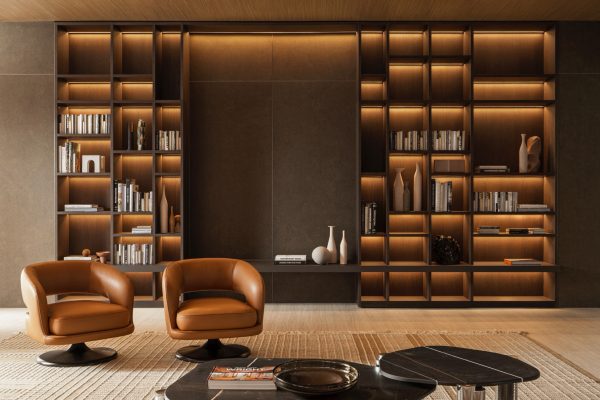
In high-end contemporary interiors, materiality has become the new language of value.
Luxury is no longer purely visual. It is an immersive, multisensory experience in which materiality and tactility become central design tools. Surfaces, textures, and raw materials are not simple finishes, but elements capable of communicating solidity, authenticity, and cultural value.
Specialized firms in materials and surface consultancy such as SAG’80 interpret this evolution by supporting architects and clients in selecting materials that are not only seen, but perceived through the senses.
1. Materiality as a Design Language
Beyond Aesthetics, Toward Substance
In contemporary design, interior materiality is a true language. Natural stone, solid woods, oxidized metals, and textured surfaces become structural elements of the project, capable of telling a story.
Perceived quality arises from coherence between form and matter: a solid wood cabinet communicates stability; a stone surface conveys permanence; burnished metal reflects the passage of time. It is this depth that distinguishes high-end interiors.
Materiality in contemporary interiors can be defined as the conscious use of matter to construct identity, permanence, and perceived value.
2. Tactility and Spatial Perception
How Materials Influence the Way We Experience Interiors
Tactility in interior design plays a decisive role in spatial perception. The temperature of stone, the softness of fabric, the porosity of natural wood influence how we inhabit a space. Sensory design is not a trend, but a design approach that places user experience at its core.
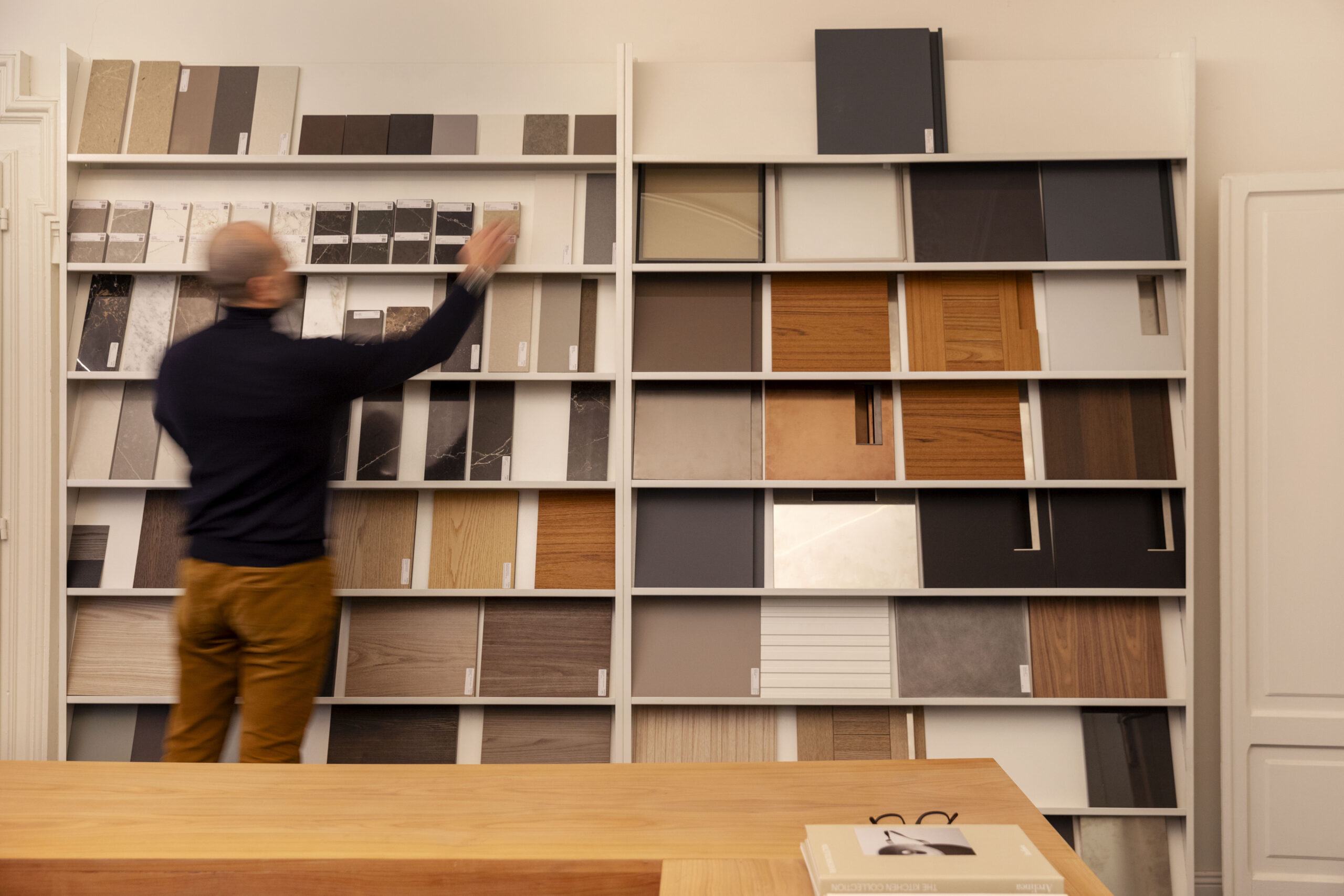
In consultancy-oriented contexts such as SAG’80, the selection of natural materials and tactile surfaces allows clients to experience the sensory dimension of a project firsthand, transforming material choice into a conscious and informed step.
3. Matte, Natural, and Imperfect Surfaces
Moving Beyond Glossy and Artificial Effects
Contemporary luxury moves away from glossy, artificial aesthetics to embrace matte, textured, and natural surfaces. Imperfection becomes value: irregular veining, wood knots, and chromatic variations in stone reveal the truth of the material.
In an era dominated by flawless imagery and digitally polished surfaces, the return to authentic matter represents a deliberate design stance.
These surfaces not only enhance spatial perception but also create environments that are warmer, more inviting, and more sophisticated.
4. Materials That Age Well
Time, Use, and Patina as Values
Luxury materials must not only be beautiful; they must age well. The patina of time on metal, the natural wear of wood, the transformation of lived-in stone add depth and character to a space.
It is a form of luxury that does not fear time but embraces it as part of the project, turning everyday use into a narrative element.
5. Common Mistakes in Selecting Luxury Materials
When Material Becomes a Stylistic Exercise
One of the most frequent mistakes is choosing precious materials without a coherent design logic. Luxury does not arise from the accumulation of expensive surfaces, but from consistency between function, aesthetics, and sensory perception.
A natural material carefully selected—as happens in projects developed with specialized design partners such as SAG’80—can radically transform spatial perception, whereas a high-end material used without intention risks becoming merely a stylistic exercise.
6. Why Materiality Increases the Perceived Value of a Space
Material quality directly impacts the perception of a space’s overall value. Authentic, tactile surfaces that align with the design concept convey solidity and thoughtful investment.
This is not merely an aesthetic matter: acoustics change, light is absorbed differently, and touch reveals depth. Materiality thus strengthens living quality and, over time, contributes to the long-term perceived value of the space.
Materiality is not a decorative detail, but a cultural choice. Contemporary luxury is measured in the coherence between matter, function, and sensory perception.
Understanding materiality means going beyond the catalog and beginning to design with awareness. It is in this step that direct experience of materials becomes essential for making truly enduring choices.
FAQ
What is materiality in contemporary interiors?
It is the conscious use of matter as a design tool to build identity, value, and perceptual quality within a space.
Why is tactility important in high-end design?
Because it directly influences spatial perception through temperature, texture, and sensory depth.
Are natural materials always synonymous with luxury?
No. They become luxury when selected with design coherence and harmoniously integrated into the space.