Loft interior design is one of the most fascinating expressions of contemporary living. Originally born from the conversion of industrial spaces, the loft has become a symbol of urban lifestyle, creative freedom, and sophisticated design.
Defined by large open-plan layouts, high ceilings, abundant natural light, and exposed materials, this type of home requires a thoughtful interior project capable of balancing functionality and aesthetics.
Furnishing a loft means managing generous volumes, creating clearly defined areas without interrupting visual continuity, and enhancing every architectural detail. Modern loft interior ideas focus on designer furniture, refined materials, and bespoke solutions that transform an open space into a welcoming environment with a strong, distinctive identity.
In this article, you’ll discover how to furnish an open-plan loft, which materials and colours to choose, how to make the most of a mezzanine level, and how to complete the project with lighting and luxury accessories, featuring examples by Arclinea and Foscarini—brands available at SAG’80 showrooms.
Furnishing an Open-Plan Loft: Functional Zones and Visual Continuity
One of the key aspects of successfully furnishing a loft is the management of the open-plan layout. The absence of partition walls offers great freedom, but also requires careful organisation of functions: living area, kitchen, dining space and sleeping area must coexist in harmony without overlapping.
To furnish an open space effectively, zones should be defined through visual elements rather than structural ones. Statement sofas, large-scale rugs, double-sided bookcases or kitchen islands become design tools that divide and define areas without enclosing them. Changes in materials or finishes can also help delineate spaces while maintaining a coherent colour palette.
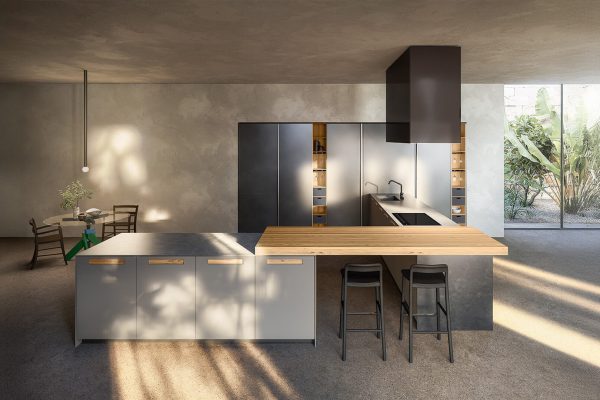
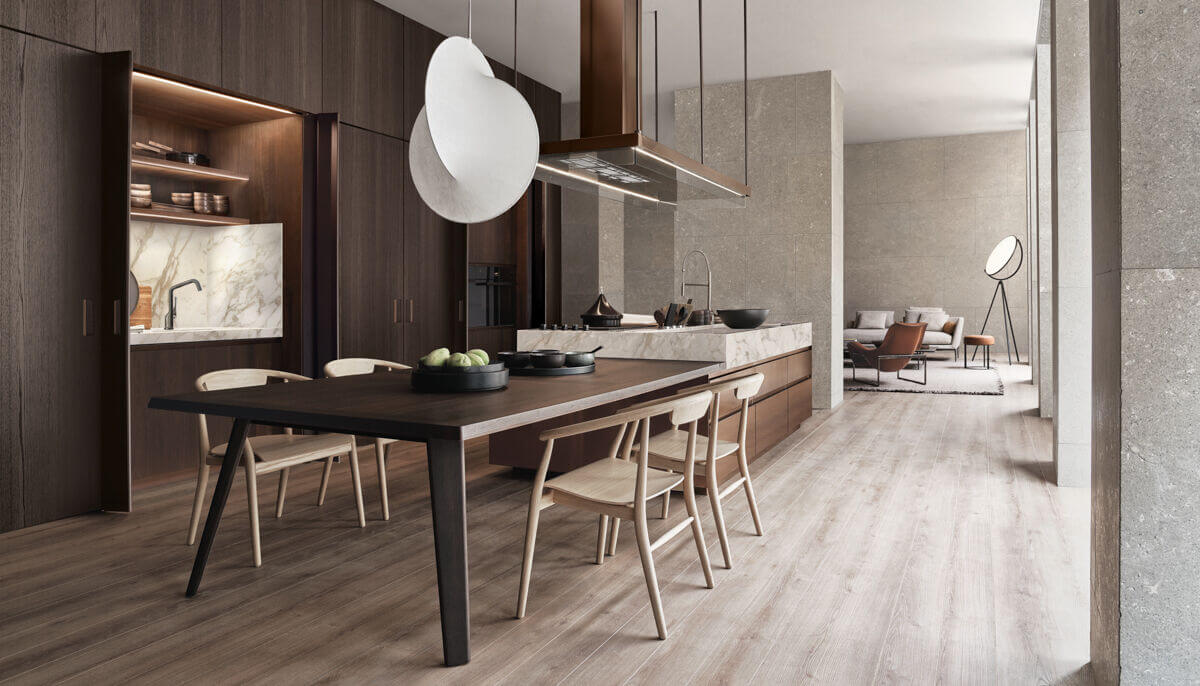
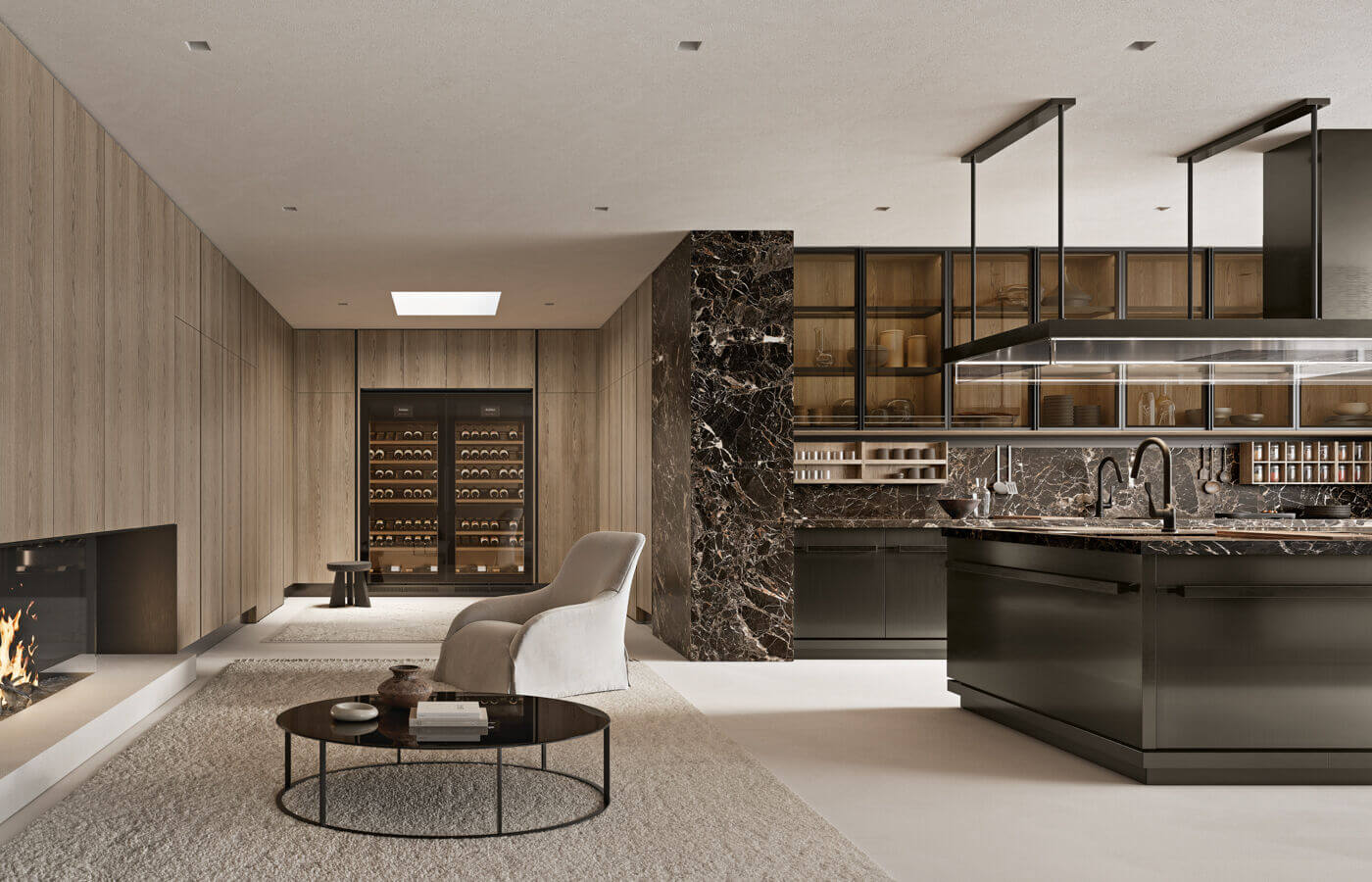
A benchmark in contemporary kitchen design is Arclinea, a leading brand for modern loft interiors. Arclinea kitchens, retailed by SAG’80, integrate seamlessly into open spaces thanks to sculptural islands, high-performance materials and a clean, refined aesthetic. In a luxury loft, the kitchen is no longer hidden—it becomes a focal point, engaging with the living area and contributing to the overall identity of the space.
Materials and Colours for a Modern Designer Loft
Materials play a defining role in luxury loft interiors. Concrete, metal, glass and wood can coexist in a refined balance, creating spaces with a strong urban character that remain warm and inviting.
Concrete—often left exposed on floors or ceilings—is one of the most iconic materials in loft design. When paired with natural woods such as oak or walnut, it creates an elegant and contemporary contrast. Metal, in blackened, bronzed or burnished finishes, is commonly used for staircases, lighting fixtures and decorative details.
As for colours, modern loft interior ideas favour neutral palettes: greys, beiges, warm whites and anthracite tones form the base, while bolder accents—such as forest green, deep blue or terracotta—can be introduced through furniture or accessories. This approach enhances natural light and visually amplifies the space.
In modern loft design, vertical surfaces also play a key role: exposed brick walls, wood panelling or large industrial-style windows reinforce the aesthetic and strengthen the character of the interior.
Furnishing a Loft with a Mezzanine: Enhancing Vertical Space
Ceiling height is undoubtedly one of the most striking features of a loft. When a mezzanine is present, the interior design should enhance verticality without overwhelming the space. Furnishing a loft with a mezzanine means working across multiple levels and creating a fluid relationship between the ground floor and the upper level.
The mezzanine is often dedicated to the sleeping area, a home office or a more intimate relaxation zone. To preserve visual lightness, glass or metal railings are ideal, allowing light to flow freely and keeping the space visually open. Staircases themselves become design elements: metal, wood or mixed-material structures can turn into sculptural features that contribute to the overall harmony of the interior.
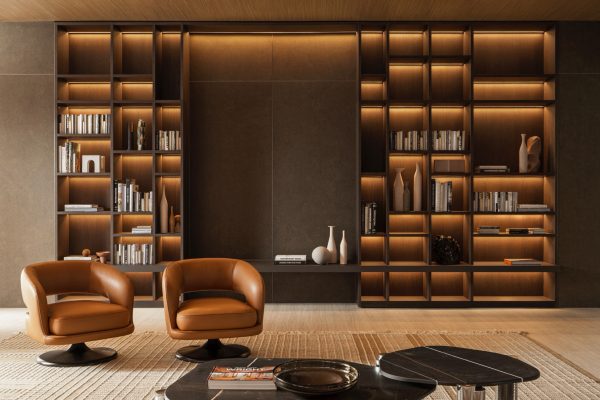
The furniture below should be proportionate to the ceiling height: floor-to-ceiling wardrobes, vertical bookcases and fitted wall units help maximise the available space. In this way, verticality becomes a defining asset, making the interior both striking and unique.
Lighting and Luxury Accessories for a Loft Interior
Lighting is another essential component in loft interior design. Large, high-ceilinged spaces require a carefully planned lighting scheme that balances functionality and atmosphere. The most effective solutions involve layered lighting: statement pendants, task lighting and indirect illumination work together to highlight volumes and materials.
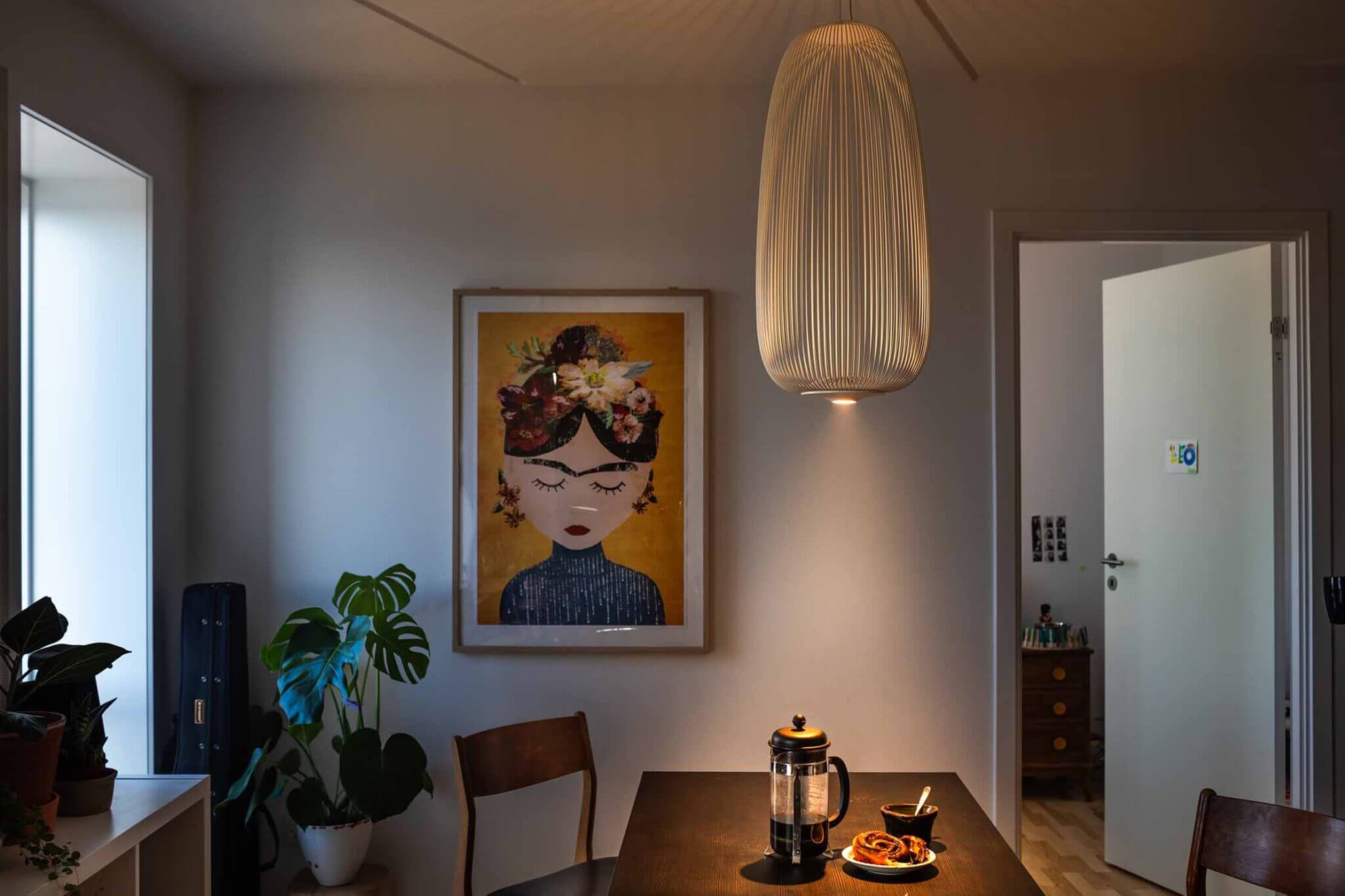
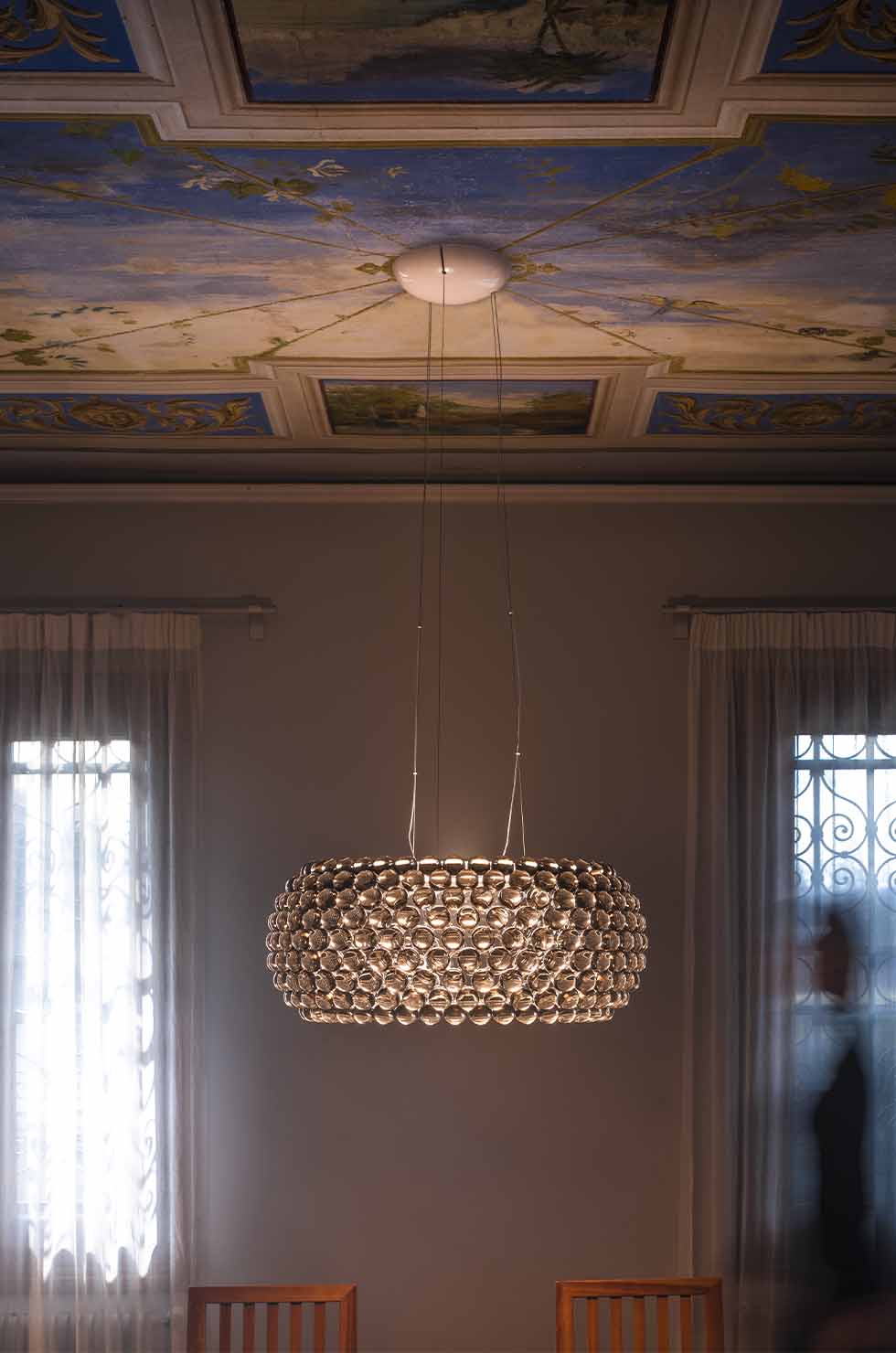
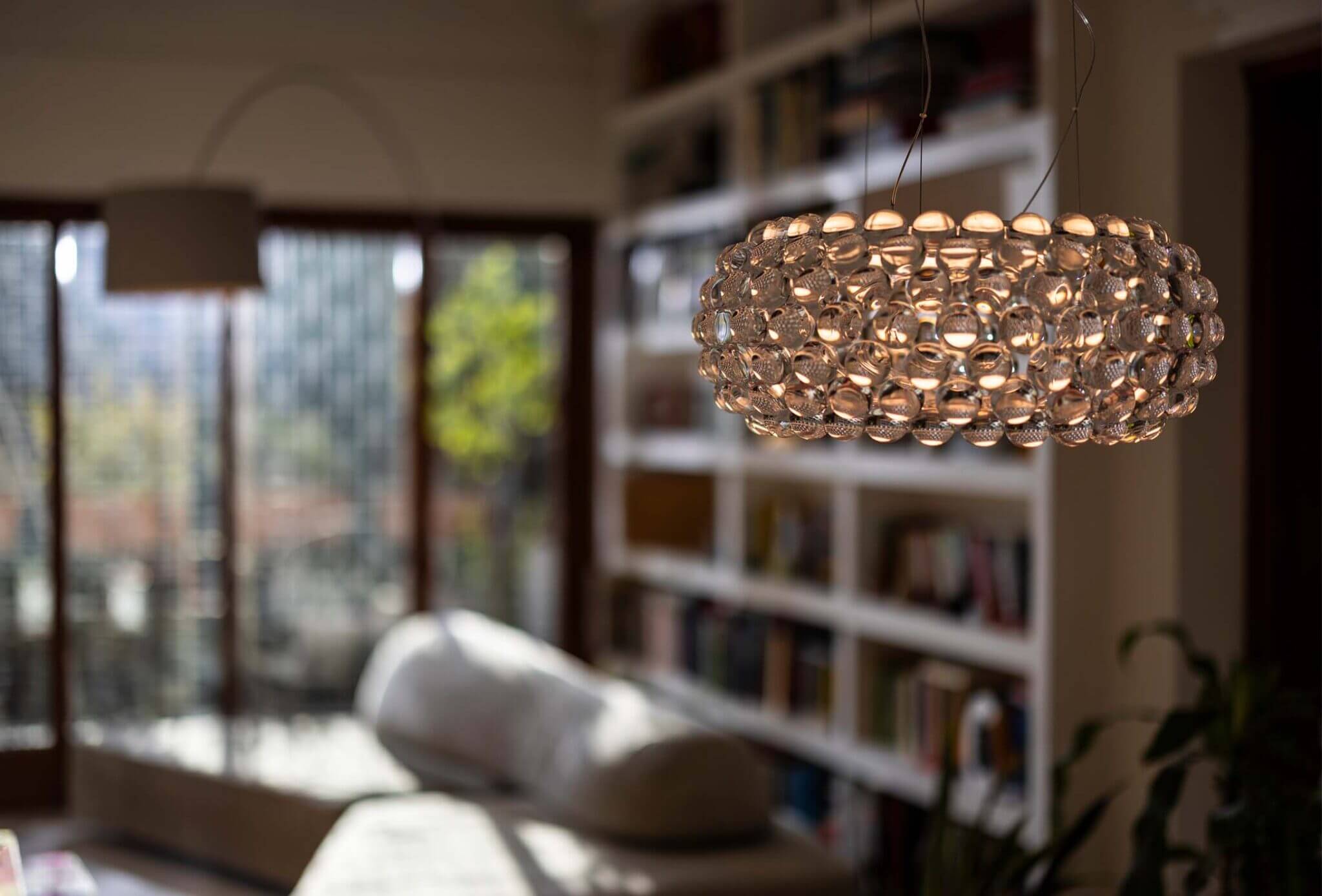
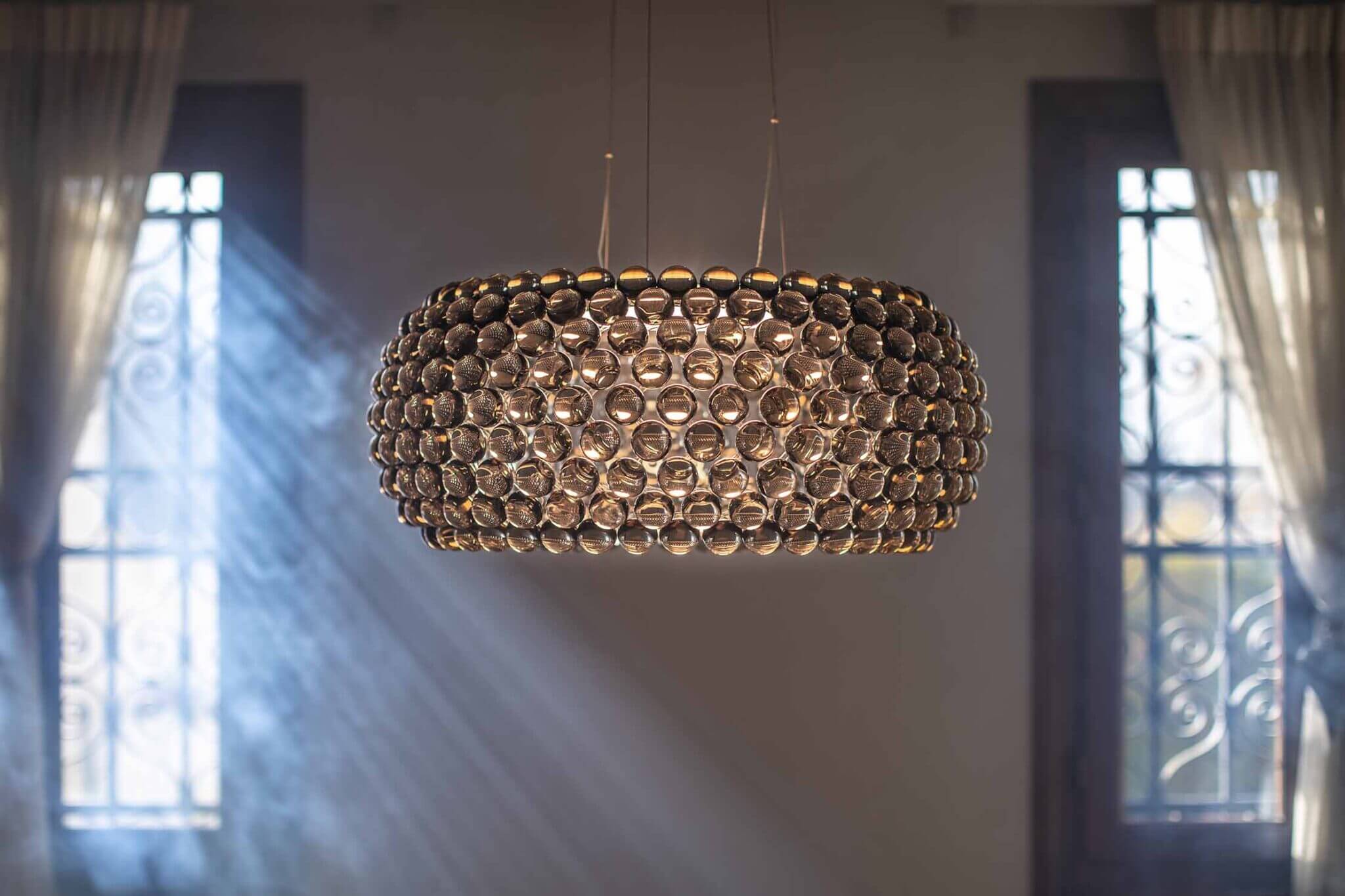
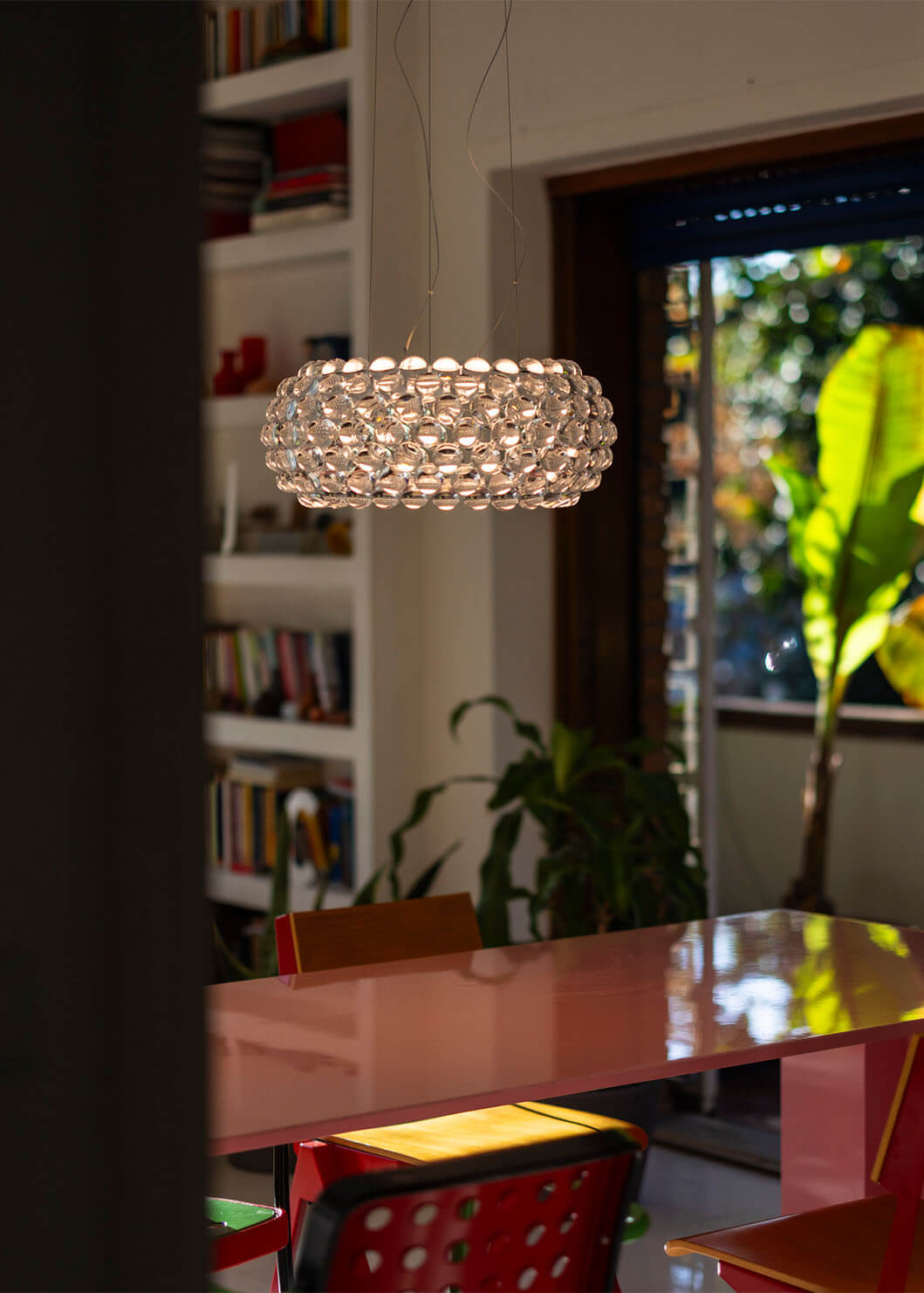
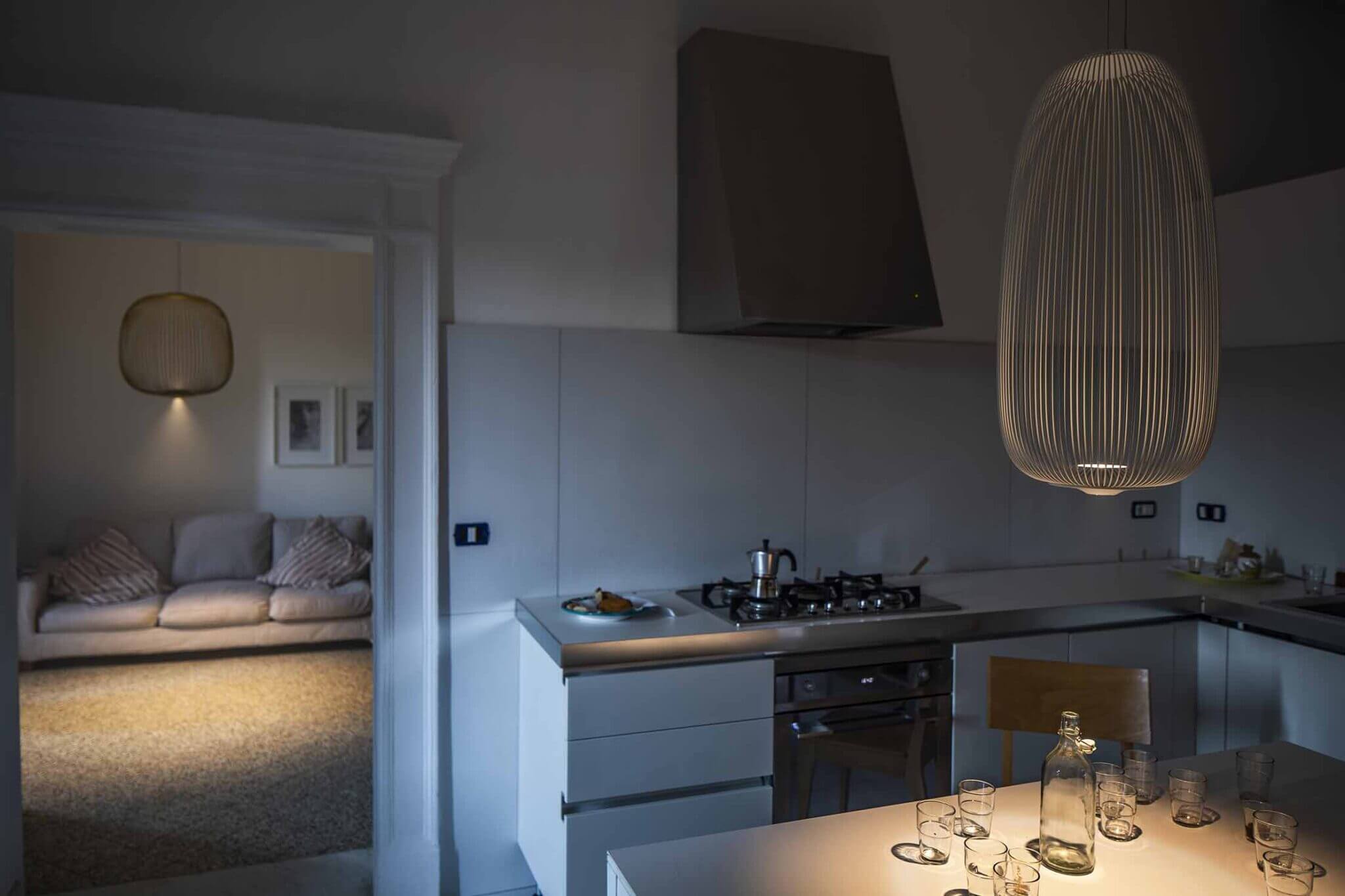
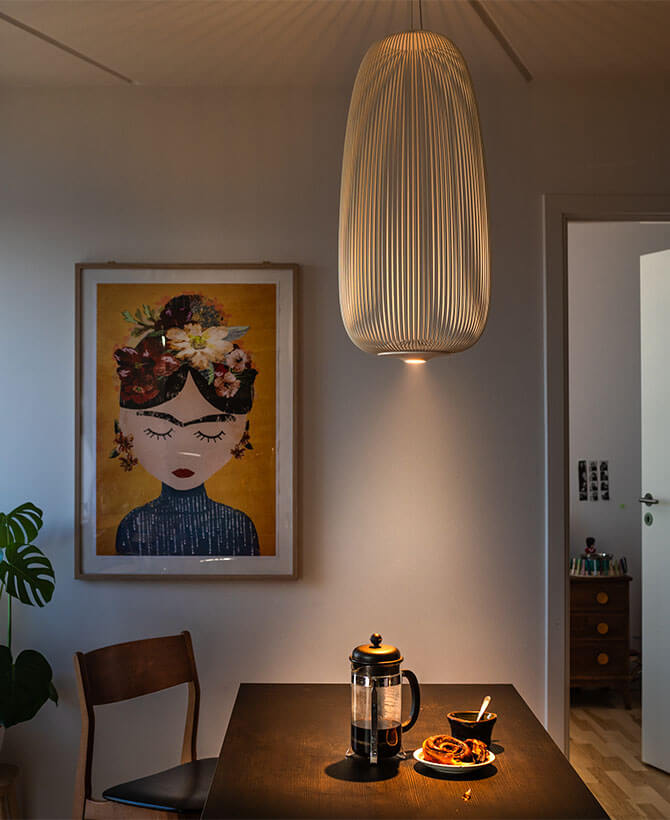
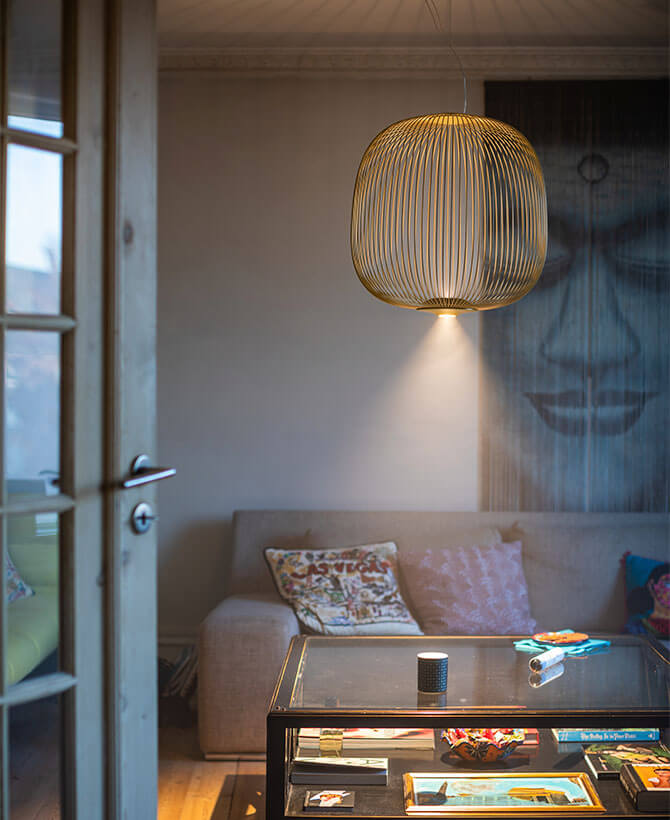
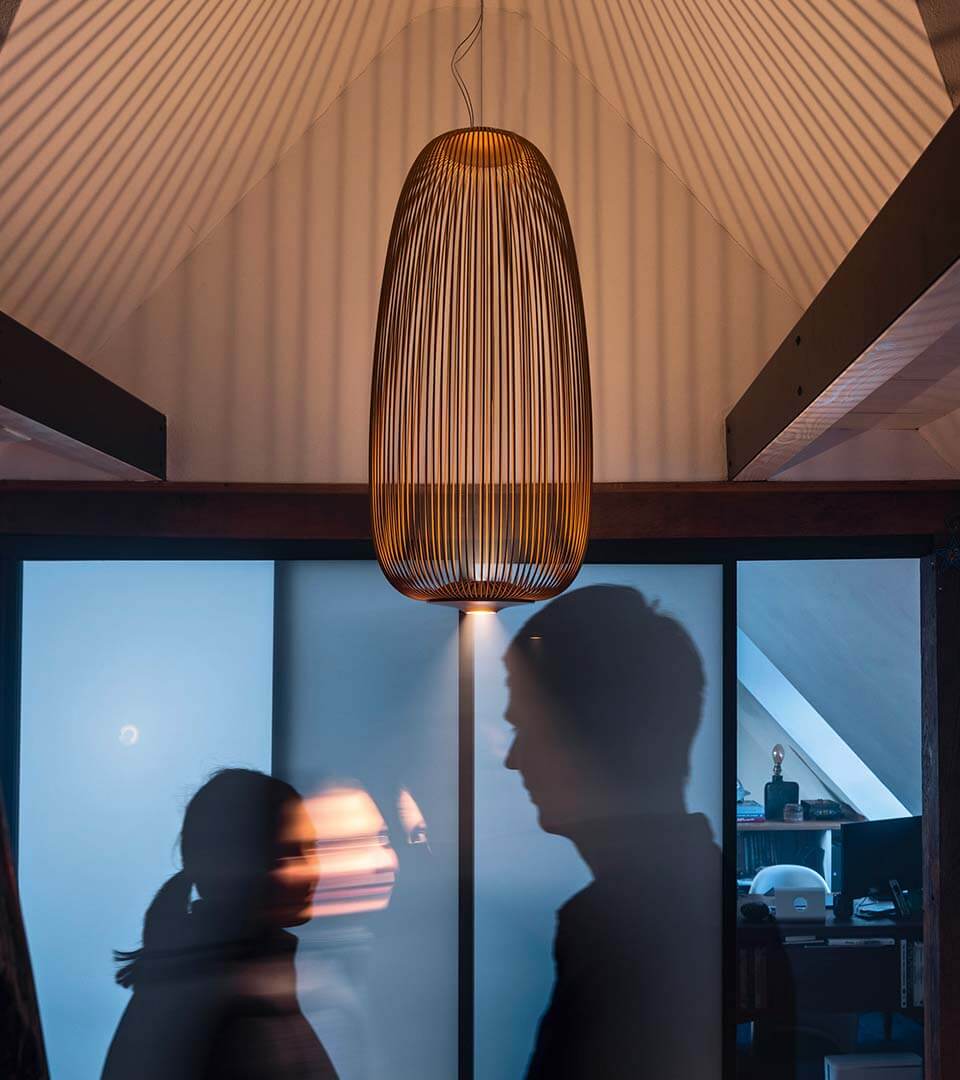
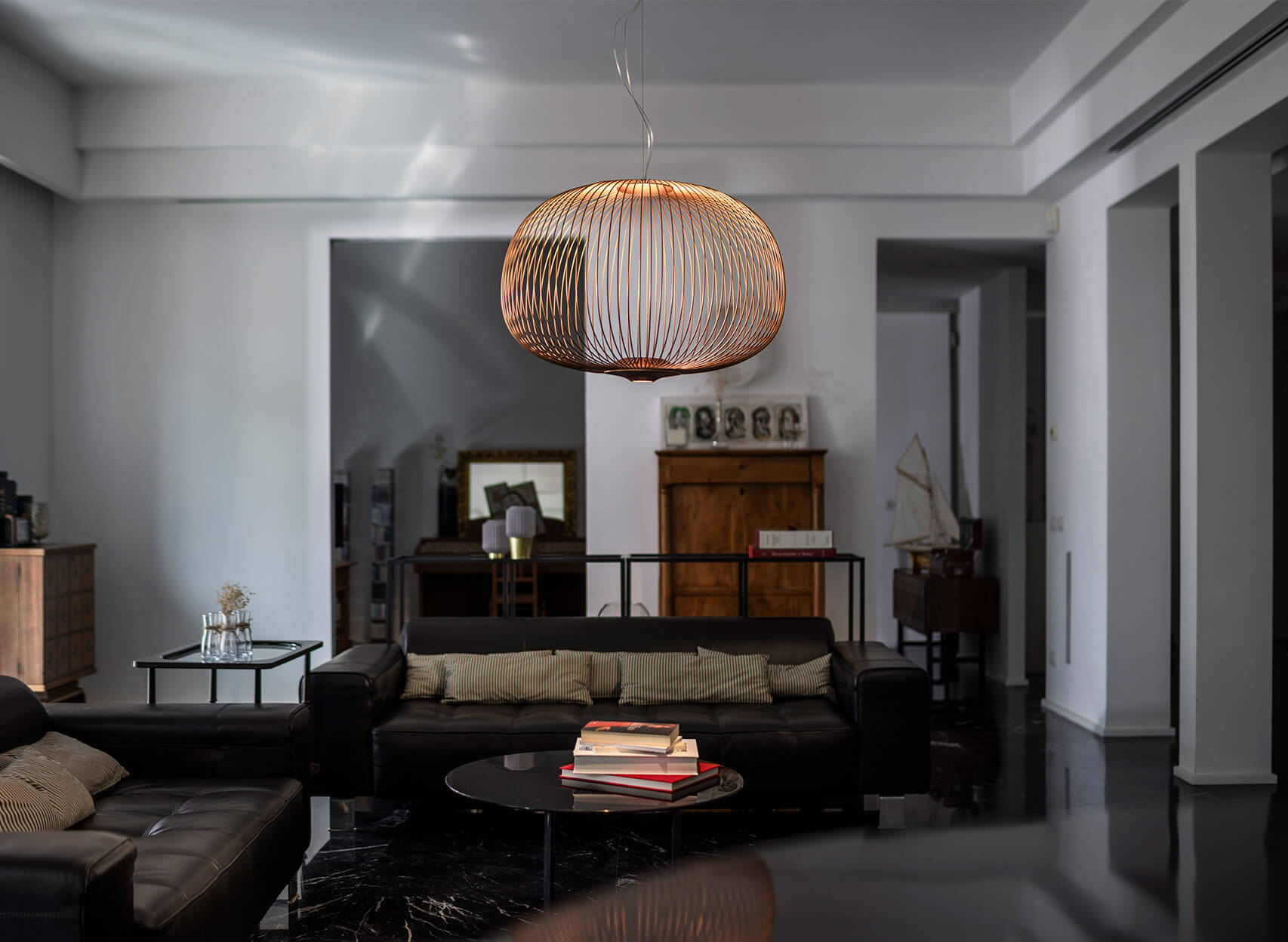
In this context, Foscarini stands out as a global reference. Foscarini lighting, available at SAG’80, is ideal for shaping a modern designer loft. Iconic pendants such as Caboche or Spokes become focal points above dining tables or in living areas, while floor lamps and wall lights help create more intimate and welcoming zones.
Accessories complete the project and define its personality. Oversized rugs, contemporary artworks, large mirrors and sculptural objects add character without disrupting the balance of the space. In luxury loft interiors, every detail is carefully selected to engage with the architecture and reinforce its identity.
As you can see, furnishing a loft is an exercise in balance—between freedom and structure, material and light, functionality and style—designed to enhance the unique characteristics of the space and transform it into a visually striking interior.
Discover how to furnish a loft with modern and luxury design solutions. Ideas for open spaces, mezzanines, refined materials and bespoke furniture.